FREAK
FREAK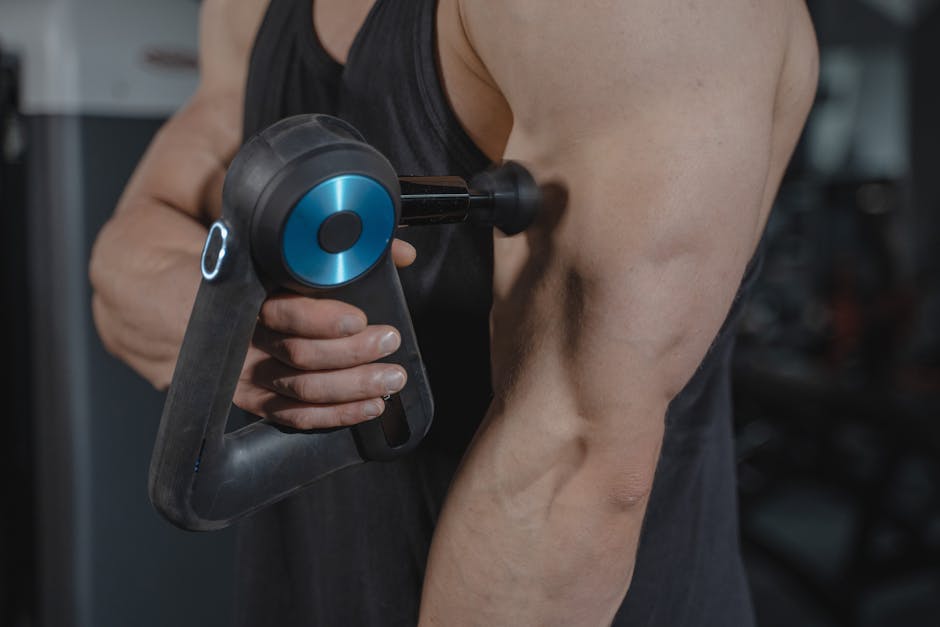
Best Massage Guns in 2026: Theragun PRO Plus vs. Hypervolt 2 Pro
The massage gun market has matured. What was once a niche recovery tool used by physical therapists and professional athletes is now a standard fixture in home gyms, office drawers, and travel bags. The category is crowded, but the top tier is occupied by two brands that have been battling for dominance since percussion therapy went mainstream: Therabody (Theragun) and Hyperice (Hypervolt).
In 2026, their flagship devices represent two distinct philosophies. The Theragun PRO Plus ($599) is a multi-therapy powerhouse that goes well beyond percussion. The Hypervolt 2 Pro ($329) is a focused, refined percussion device that does one thing extremely well. Which one is worth your money depends entirely on what you need.
We tested both extensively across workouts, travel, and daily use. Here's the complete breakdown.
Our Top Picks
- Best Overall Massage Gun: Theragun PRO Plus -- The most advanced recovery device available, combining percussion, heat, vibration, LED, and cold therapy in one unit
- Best Value Massage Gun: Hypervolt 2 Pro -- Superior percussion therapy at almost half the price, with excellent build quality and app integration
What to Look For in a Massage Gun
Before diving into the reviews, here's what actually matters when evaluating a massage gun -- and what's just marketing noise.
Amplitude (Stroke Length)
This is the distance the massage head travels back and forth. It's the single most important spec for deep tissue effectiveness. Higher amplitude means the device reaches deeper muscle tissue.
- 12mm: Light therapy, warm-up, superficial muscles
- 14mm: Good for most users, reaches moderate depth
- 16mm: Professional-grade depth, effective on large muscle groups (quads, glutes, lats)
Research published in the Journal of Clinical and Diagnostic Research (2014) found that percussion therapy at higher amplitudes produced greater reductions in delayed onset muscle soreness (DOMS) and improved range of motion compared to lower-amplitude devices.
Stall Force
Stall force is how much pressure you can apply before the motor stalls out (stops). Higher stall force means you can press harder without losing power. For deep tissue work on large muscles, you want at least 40 lbs. For casual use, 30 lbs is adequate.
Speed Range (PPM)
Percussions per minute. Most devices operate between 1,500-3,200 PPM. Lower speeds are better for warm-up and sensitive areas. Higher speeds are better for large muscle groups. Having a wide range gives you versatility.
Noise Level
Nobody wants a device that sounds like a jackhammer. Premium massage guns operate in the 55-75 dB range. For reference, normal conversation is about 60 dB. Anything under 65 dB is quiet enough to use while watching TV.
What Doesn't Matter (Much)
- Number of attachments beyond 4-5 (most people use 2-3 regularly)
- Bluetooth connectivity (nice to have, not essential)
- "AI-guided routines" (useful for beginners, not a deciding factor)
- Brand-specific jargon like "QuietGlide" or "QX150 Motor" -- look at the actual specs instead
Detailed Reviews
1. Theragun PRO Plus ($599)
The Theragun PRO Plus isn't just a massage gun. It's a 6-in-1 recovery device that combines deep tissue percussion, heat therapy, cold therapy (sold separately), near-infrared LED light therapy, vibration therapy, and guided breathwork routines through an integrated LCD screen.
Let's start with the percussion specs, because that's the core function. The PRO Plus delivers 16mm of amplitude -- the deepest in the consumer market -- with 60 lbs of stall force across five speed settings (1,750-2,400 PPM). In practice, this means you can dig into the densest muscle tissue (IT band, deep glute, upper trap) without the device stalling out. The difference between 14mm and 16mm amplitude is immediately noticeable on large muscle groups.
The heat therapy attachment warms to a comfortable temperature and maintains it during percussion, combining thermal and mechanical therapy simultaneously. A 2020 systematic review in Physical Therapy in Sport found that combining heat with mechanical therapy enhanced muscle relaxation and pain reduction compared to mechanical therapy alone. This is the single feature that justifies the PRO Plus over a standard percussion device for people dealing with chronic muscle tightness.
The near-infrared LED attachment provides light therapy at wavelengths associated with increased cellular energy production and reduced inflammation. While the evidence for consumer LED devices is still building, the mechanism is well-understood: red and near-infrared light stimulates mitochondrial function and ATP production. A 2018 meta-analysis in Lasers in Medical Science found that photobiomodulation therapy reduced DOMS and improved muscle recovery.
The vibration therapy attachment is separate from percussion -- it provides high-frequency, low-amplitude stimulation suited for sensitive areas, nerve-adjacent tissue, and warm-up routines.
The device weighs 3.6 lbs (1,650g), which is notably heavy for extended use. Battery life averages 150 minutes depending on the attachment and speed setting. It includes a premium carrying case and seven interchangeable attachments.
Key Specs
| Spec | Theragun PRO Plus |
|---|---|
| Amplitude | 16mm |
| Stall Force | 60 lbs |
| Speed Range | 1,750-2,400 PPM |
| Weight | 3.6 lbs (1,650g) |
| Battery Life | ~150 minutes |
| Noise Level | ~60-68 dB (estimated) |
| Attachments | 7 included |
| Therapies | Percussion, Heat, Vibration, LED, Cold (separate), Breathwork |
| Display | Integrated LCD with guided routines |
| Connectivity | Bluetooth (Therabody app) |
| Price | $599 |
The Freak Score
| Criteria | Score | Notes |
|---|---|---|
| Build Quality | 9/10 | Premium materials, ergonomic triangle grip, solid construction. Professional-grade feel. |
| Performance | 10/10 | 16mm amplitude and 60 lb stall force are category-leading specs. |
| Versatility | 10/10 | 6-in-1 therapy platform. No other consumer device matches this feature set. |
| Noise | 7/10 | Significantly quieter than previous Theraguns, but still audible. ~60-68 dB. |
| Battery | 7/10 | 150 minutes is decent but heat and LED attachments drain faster. |
| Value | 6/10 | $599 is a significant investment. Feature-rich but you're paying a premium. |
| Portability | 6/10 | 3.6 lbs is heavy. Carrying case is included but the device is not travel-light. |
| Overall | 8.0/10 | Weighted average |
Pros
- 16mm amplitude -- deepest tissue penetration in consumer market
- 60 lbs stall force -- handles maximum pressure without stalling
- Heat therapy attachment is genuinely useful for chronic tightness
- Near-infrared LED for cellular recovery support
- Integrated LCD with guided routines (useful for beginners)
- Dramatically quieter than previous Theragun generations
- Professional-grade build quality with carrying case included
Cons
- $599 is steep -- nearly double the Hypervolt 2 Pro
- Weighs 3.6 lbs, which causes arm fatigue during extended sessions
- Cold therapy attachment sold separately (adds to already high cost)
- Heat and LED features, while useful, aren't necessary for most users
- Battery life drops significantly when using heat attachment
- Overkill for casual users who just need basic percussion therapy
Best for: Serious athletes, physical therapists, people with chronic pain or tightness who want a multi-modality recovery platform. Anyone who will use the heat, LED, and vibration features regularly enough to justify the price.
Where to Buy
- Brand Direct: $599.00 -- Buy from Therabody
- Amazon: $599.00 -- Buy on Amazon
- Best Buy: $599.00 -- Buy at Best Buy
Prices shown may vary. Links may be affiliate links.
2. Hypervolt 2 Pro ($329)
The Hypervolt 2 Pro takes the opposite approach to the Theragun PRO Plus: instead of trying to be a multi-therapy device, it focuses entirely on being the best percussion massage gun possible. And it largely succeeds.
The device packs a 90-watt motor with five speed settings ranging from 1,700 to 2,700 PPM. That wider speed range gives it more versatility than the Theragun for both gentle warm-up work (1,700 PPM) and aggressive deep tissue percussion (2,700 PPM). The amplitude is 14mm -- 2mm less than the Theragun PRO Plus, which you'll notice on the deepest muscle groups but is perfectly adequate for 90% of use cases.
The standout feature of the Hypervolt 2 Pro is how quiet it is. Hyperice's QuietGlide technology produces noise levels between 55-66 dB across the speed range. At lower speeds, it's genuinely whisper-quiet -- you can use it during a conference call without anyone knowing. This isn't a trivial feature. If noise bothers you (or your partner, or your coworkers), the Hypervolt wins this category decisively.
Battery life is excellent: approximately 3 hours on a full charge with a removable, rechargeable lithium-ion battery. That's roughly double what many competitors offer and noticeably longer than the Theragun PRO Plus. The battery is swappable, meaning you can carry a spare for extended sessions or travel.
The device weighs 2.6 lbs -- a full pound lighter than the Theragun PRO Plus. Over a 15-minute session, that weight difference matters more than you'd expect. Less arm fatigue means better technique and more consistent pressure.
Bluetooth connectivity pairs with the Hyperice app, which offers guided recovery routines by body part and activity type. The app is well-designed and the routines are genuinely useful for people who aren't sure how to use a massage gun effectively.
The Hypervolt 2 Pro is also TSA-approved for carry-on luggage, which makes it the better travel companion.
Key Specs
| Spec | Hypervolt 2 Pro |
|---|---|
| Amplitude | 14mm |
| Stall Force | ~30-35 lbs |
| Speed Range | 1,700-2,700 PPM |
| Weight | 2.6 lbs |
| Battery Life | ~180 minutes (3 hours) |
| Noise Level | 55-66 dB |
| Attachments | 5 included |
| Therapies | Percussion only |
| Display | LED speed indicator |
| Connectivity | Bluetooth (Hyperice app) |
| Price | $329 |
The Freak Score
| Criteria | Score | Notes |
|---|---|---|
| Build Quality | 9/10 | Premium aluminum and polycarbonate construction. Sleek industrial design. Feels solid. |
| Performance | 8/10 | 14mm amplitude is very good. Lower stall force than Theragun limits deep pressure work. |
| Versatility | 7/10 | Percussion-only device. Wide speed range compensates somewhat. 5 useful attachments. |
| Noise | 10/10 | 55-66 dB is category-leading quiet. Usable in shared spaces without disruption. |
| Battery | 9/10 | 3 hours is excellent. Removable battery is a significant advantage. |
| Value | 9/10 | $329 for this build quality and performance is competitive. Almost half the Theragun PRO Plus. |
| Portability | 8/10 | 2.6 lbs, TSA-approved, compact form factor. No carrying case included (a miss). |
| Overall | 8.5/10 | Weighted average |
Pros
- Quietest premium massage gun available (55-66 dB)
- 3-hour battery life with removable/swappable battery
- 2.6 lbs -- significantly lighter than the Theragun PRO Plus
- Wider speed range (1,700-2,700 PPM) for more versatility
- TSA-approved for carry-on travel
- Excellent Hyperice app with guided routines
- $270 less than the Theragun PRO Plus
Cons
- 14mm amplitude is 2mm less than the Theragun -- noticeable on very deep tissue work
- Lower stall force (~30-35 lbs vs 60 lbs) means it can stall under heavy pressure
- No carrying case included -- a strange omission at this price point
- Percussion-only -- no heat, LED, vibration, or cold therapy
- LED speed indicator instead of a full display
- The $329 price is still premium when budget options exist at $100-150
Best for: Anyone who wants the best pure percussion massage gun without paying for features they won't use. Athletes who travel frequently. People who value quiet operation. Users who want excellent performance at a more accessible price point.
Where to Buy
- Brand Direct: $329.00 -- Buy from Hyperice
- Amazon: $329.00 -- Buy on Amazon
Prices shown may vary. Links may be affiliate links.
Comparison Table
| Feature | Theragun PRO Plus | Hypervolt 2 Pro |
|---|---|---|
| Price | $599 | $329 |
| Amplitude | 16mm | 14mm |
| Stall Force | 60 lbs | ~30-35 lbs |
| Speed Range | 1,750-2,400 PPM | 1,700-2,700 PPM |
| Weight | 3.6 lbs | 2.6 lbs |
| Battery Life | ~150 min | ~180 min |
| Noise Level | ~60-68 dB | 55-66 dB |
| Attachments | 7 | 5 |
| Heat Therapy | Yes (built-in) | No |
| LED Therapy | Yes (built-in) | No |
| Vibration Therapy | Yes (separate attachment) | No |
| Cold Therapy | Yes (sold separately) | No |
| Display | LCD with guided routines | LED speed indicator |
| Carrying Case | Included | Not included |
| TSA Carry-On | Yes | Yes |
| App | Therabody app | Hyperice app |
| Best For | Multi-therapy recovery platform | Pure percussion, travel, value |
| Freak Score | 8.0/10 | 8.5/10 |
Does the Science Support Massage Guns?
Yes, but with appropriate expectations.
A 2020 systematic review published in the Journal of Bodywork and Movement Therapies examined the evidence for percussive therapy devices and found consistent benefits for:
- Reduced delayed onset muscle soreness (DOMS) -- Multiple studies show percussion therapy applied post-exercise reduces DOMS severity over 24-72 hours.
- Improved range of motion -- Short-term (10-30 minute) improvements in flexibility and joint range of motion following percussion therapy.
- Increased blood flow -- Localized vibration and percussion increase blood perfusion to treated muscle tissue.
What the evidence does NOT support:
- Faster muscle growth -- Massage guns don't build muscle.
- Complete injury rehabilitation -- They complement physical therapy but don't replace it.
- "Breaking up scar tissue" -- This is a common marketing claim that oversimplifies the actual mechanism. Percussion therapy may influence fascial mobility and fluid dynamics, but it doesn't physically "break" tissue.
A practical perspective: the main benefit of owning a massage gun is that you'll actually do soft tissue work consistently. Most people know they should foam roll, stretch, and do mobility work. Most people don't. Having a massage gun makes it more likely you'll spend 10 minutes on recovery, and that consistency is where the real benefit lies.
The Bottom Line
For most people, the Hypervolt 2 Pro at $329 is the better buy. It's lighter, quieter, has longer battery life, and delivers excellent percussion therapy at a price that doesn't require justification. The 14mm amplitude is more than adequate for recreational athletes, gym-goers, and anyone using a massage gun for general recovery and muscle soreness.
The Theragun PRO Plus at $599 earns its price for specific users: people who will genuinely use the heat therapy attachment for chronic muscle tightness, athletes who need maximum depth (16mm amplitude) and stall force (60 lbs) for large muscle groups, and anyone who wants a single multi-therapy device rather than separate tools. If you're a physical therapist, serious competitor, or someone dealing with chronic pain, the additional capabilities justify the premium.
Don't overthink it. Both devices are excellent. The Hypervolt 2 Pro gives you 90% of the benefit at 55% of the cost. The Theragun PRO Plus gives you everything, at a price that reflects it.
Related Reading
- Theragun PRO Plus Review -- our full review of the premium pick
- Hypervolt 2 Pro Review -- the best value massage gun
- Theragun vs Hypervolt -- the detailed head-to-head comparison
- Best Recovery Tools for Athletes 2026 -- massage guns in the broader toolkit
- Best Foam Rollers 2026 -- the budget complement to massage guns
FAQ
Are massage guns worth the money?
For most active people, yes. The consistent access to self-applied soft tissue therapy reduces muscle soreness, improves short-term range of motion, and makes recovery work more likely to actually happen. Whether you need a $329-$599 device or a $100 budget option depends on how frequently you'll use it and how important features like noise level, build quality, and battery life are to you.
How often should you use a massage gun?
Daily use is safe and common. Most guidelines recommend 1-2 minutes per muscle group, 2-3 times per day for active recovery. Before exercise, use lower speeds for warm-up. After exercise, use moderate-to-high speeds for 60-90 seconds per muscle group. Avoid using a massage gun directly on bones, joints, or acute injuries.
Can a massage gun replace a sports massage?
Not entirely. A skilled massage therapist can assess tissue quality, identify dysfunction, and apply nuanced techniques that a percussive device cannot replicate. However, for daily maintenance between massage appointments, a percussion device is an effective and convenient tool. Think of it as daily flossing between dentist visits.
Is 16mm amplitude really necessary?
For most recreational users, no. The difference between 14mm and 16mm is noticeable primarily on very deep muscle tissue -- deep glutes, IT band, thick quads, and traps. If you're an average gym-goer or recreational athlete, 14mm provides more than enough depth. If you're a large individual, a professional athlete, or you have specific deep tissue needs, the extra 2mm matters.
Do massage guns help with flexibility?
Short-term, yes. Multiple studies show that percussion therapy improves range of motion for 10-30 minutes after use. For lasting flexibility gains, you still need to stretch, mobilize, and train through full range of motion. A massage gun is a tool to facilitate better mobility work, not a replacement for it.
Theragun vs. Hypervolt: which brand is better?
Neither brand is categorically "better." Therabody (Theragun) has pushed innovation with multi-therapy devices and deeper amplitude. Hyperice (Hypervolt) has focused on building the best-engineered percussion devices with superior noise management. The Hypervolt 2 Pro is the better pure massage gun. The Theragun PRO Plus is the better multi-therapy recovery platform. Your choice depends on which description matches your needs.
Affiliate Disclosure: Freak Naturals may earn a commission on purchases made through links in this article. This does not affect our editorial independence — we recommend products based on research and testing, not commissions.