FREAK
FREAK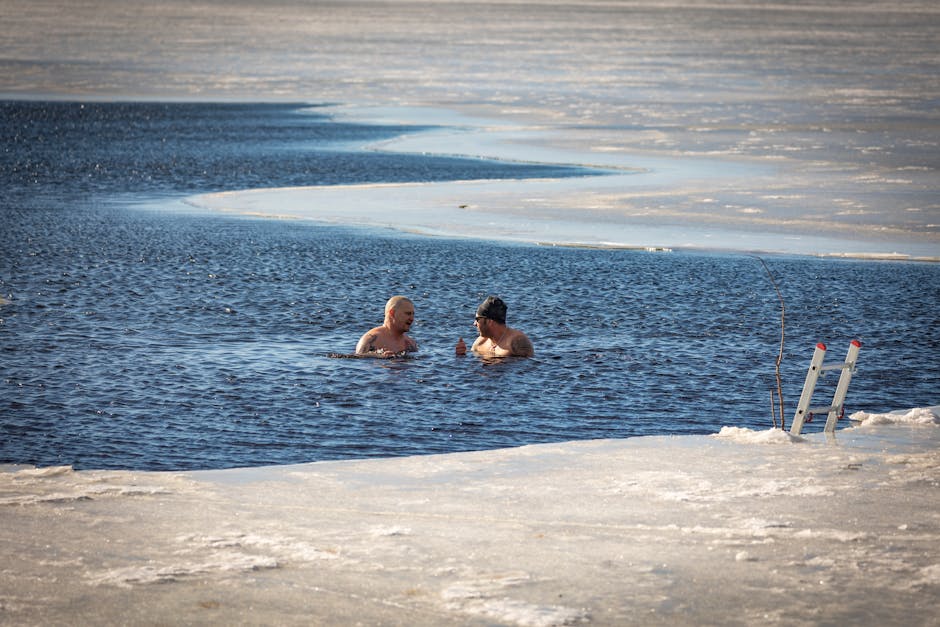
Cold Water Immersion: The Complete Science-Based Guide
Cold water immersion has gone from fringe biohacker practice to mainstream wellness trend in record time. Andrew Huberman talks about it. Every tech CEO seems to have a cold plunge in their backyard. Your gym probably installed one in the last two years.
But here's what gets lost in the hype: the science behind cold water immersion is real and compelling, but it's also more nuanced than most influencers suggest. Cold exposure isn't universally good. The timing matters. The temperature matters. The duration matters. And there are specific situations where cold exposure is actively counterproductive.
This guide covers what we actually know — the robust research, the promising preliminary data, the unanswered questions, and practical protocols you can use immediately. No pseudoscience. No bro science. Just the evidence.
The Dopamine Story: Why Cold Water Makes You Feel Incredible
The single most impactful finding in cold water research — and the one that probably fueled the cold plunge boom — comes from a 2000 study published in the European Journal of Applied Physiology by researchers at the Thrombosis Research Institute.
Participants immersed in 57°F (14°C) water for one hour experienced a 250% increase in dopamine levels that remained elevated for several hours afterward. For context:
| Stimulus | Dopamine Increase |
|---|---|
| Chocolate | ~50% |
| Sex | ~100% |
| Nicotine | ~150% |
| Cocaine | ~300-800% |
| Cold water (57°F, 1 hr) | ~250% |
A 250% increase in dopamine is substantial. It's not a subtle mood improvement — it's a dramatic, sustained elevation in the neurotransmitter most associated with motivation, focus, alertness, and a general sense of well-being. And unlike pharmacological stimulants, the rise is gradual, sustained (lasting 2-3 hours post-exposure), and doesn't produce a subsequent crash.
This dopamine response is the primary reason cold plungers report improved mood, heightened focus, and a general sense of "aliveness" after their sessions. It's not placebo. It's neurochemistry.
The study also documented a simultaneous 530% increase in norepinephrine — the neurotransmitter responsible for alertness, attention, and the acute "wake up" feeling you get the instant cold water hits your skin. Norepinephrine is also a potent vasoconstrictor, which drives many of the circulatory benefits we'll discuss.
A Critical Caveat
That landmark study used 57°F water for one hour. Most practical cold plunge protocols are much shorter (2-10 minutes). Does a 3-minute plunge produce the same 250% dopamine increase as a 60-minute immersion? Probably not to the same degree, though shorter exposures at colder temperatures still produce meaningful catecholamine responses. The dose-response relationship isn't fully characterized yet, but the principle holds: colder water and longer duration equal greater neurochemical response — up to a point.
Inflammation and Muscle Recovery: The Complicated Truth
This is where things get nuanced, and where most cold plunge evangelists go wrong.
What Cold Water Does to Inflammation
Cold water immersion is a powerful anti-inflammatory stimulus. The norepinephrine-driven vasoconstriction reduces blood flow to peripheral tissues, limiting the inflammatory cascade. A 2012 Cochrane review analyzing 17 trials found that cold water immersion (at 50-59°F for 5-15 minutes) reduced perceived muscle soreness by approximately 20% compared to passive recovery.
A 2022 meta-analysis in Sports Medicine examined 52 studies and confirmed that cold water immersion consistently reduced subjective muscle soreness and perceived fatigue after intense exercise. The effect sizes were moderate but reliable.
The Strength Training Problem
Here's the critical nuance: that anti-inflammatory effect is a double-edged sword after strength training.
Inflammation after resistance exercise isn't a malfunction — it's the signaling cascade that triggers muscle adaptation. The inflammatory response recruits satellite cells, stimulates mTOR pathway activation, and initiates the muscle protein synthesis that ultimately makes you stronger. Blocking that inflammation blocks the adaptation.
A landmark 2015 study in The Journal of Physiology by Roberts et al. demonstrated this clearly. Participants who performed cold water immersion immediately after strength training for 12 weeks showed significantly reduced muscle mass gains and strength improvements compared to those who recovered passively. The cold water blunted the anabolic signaling.
A 2019 follow-up published in The Journal of Physiology by Fyfe et al. confirmed the mechanism: post-exercise cold water immersion attenuated ribosomal biogenesis and muscle protein synthesis — the molecular machinery of muscle growth.
The practical takeaway: don't cold plunge immediately after strength training if muscle growth is your goal. Wait at least 4-6 hours, or better yet, perform cold exposure on a separate day or before your workout.
When Cold Water Immersion IS Beneficial for Recovery
- Between competitions or multi-day events (tournaments, stage races, double-header days)
- After endurance exercise where the goal is reducing inflammation, not building muscle
- During heavy training blocks where managing cumulative fatigue is more important than maximizing per-session adaptation
- For perceived recovery — feeling better faster has psychological value even if the physiological mechanism is inflammatory suppression
Brown Fat Activation: The Metabolic Effect
Cold exposure activates brown adipose tissue (BAT) — a metabolically active form of fat that generates heat by burning calories. Unlike white fat (which stores energy), brown fat dissipates energy as heat through a process called non-shivering thermogenesis.
A 2014 study in Diabetes demonstrated that regular cold exposure over 4 weeks increased brown fat volume and activity, improved insulin sensitivity, and increased resting energy expenditure. A 2017 study in Scientific Reports found that cold-induced brown fat activation was associated with improved glucose metabolism independent of exercise.
How much metabolic impact are we talking about? Modest but real. Brown fat activation from cold exposure might increase daily energy expenditure by 100-200 calories in individuals with significant BAT deposits. That's meaningful over months but isn't going to replace exercise or diet for weight management.
The more interesting implication is metabolic health: improved insulin sensitivity, better lipid profiles, and enhanced glucose disposal. Cold exposure may be more valuable as a metabolic health tool than a weight loss tool.
Who Has the Most Brown Fat?
Brown fat is most abundant in newborns and declines with age. However, regular cold exposure can recruit new brown fat cells and activate dormant ones. Leaner individuals tend to have more active BAT than obese individuals, though this may be partially reversed through consistent cold training.
The Protocols: How to Actually Do This
The Huberman Protocol (Derived from Research Synthesis)
Neuroscientist Andrew Huberman has synthesized the available research into a practical framework. His recommendations, based on published studies and expert consultation:
- Temperature: 50-59°F (10-15°C) — cold enough to trigger the catecholamine response, warm enough to be sustainable
- Duration: 1-5 minutes per session (beginners start at 1 minute)
- Frequency: 2-4 times per week (11 minutes total weekly cold exposure as a minimum target)
- Method: Full body immersion up to the neck; hands and feet submerged
- Timing: Morning preferred (the dopamine/norepinephrine boost supports daytime alertness; late-evening cold exposure may disrupt sleep in some individuals)
The "11 minutes per week" guideline comes from research suggesting that total weekly cold exposure volume matters more than individual session length. You can distribute those 11 minutes however you prefer: four 3-minute sessions, two 5-minute sessions, or even daily 2-minute sessions.
The Soberg Principle (End on Cold)
Dr. Susanna Soberg's research, published in Cell Reports Medicine (2021), added an important protocol detail: end your deliberate cold exposure on cold, not warm. If you're alternating between heat and cold (as in contrast therapy), the final stimulus should be cold.
The reasoning: ending on cold forces your body to reheat itself through internal thermogenesis (shivering and non-shivering), which activates brown fat and increases caloric expenditure. If you end on warm (stepping into a hot shower or sauna after the cold), you bypass the body's own heating response, reducing the metabolic benefit.
Practical implication: Resist the urge to take a hot shower immediately after cold plunging. Let your body warm up naturally. You can towel off and dress, but allow 20-30 minutes before applying external heat.
Progressive Adaptation Protocol for Beginners
If you've never done deliberate cold exposure, don't start with a 50°F plunge. Your body needs time to adapt both physiologically and psychologically.
| Week | Method | Temperature | Duration |
|---|---|---|---|
| 1-2 | Cold shower at end of warm shower | ~65°F | 30 seconds |
| 3-4 | Cold shower at end of warm shower | ~60°F | 60 seconds |
| 5-6 | Full cold shower | ~55-60°F | 2 minutes |
| 7-8 | Cold bath or plunge | ~55-59°F | 2 minutes |
| 9+ | Cold plunge | ~50-55°F | 2-5 minutes |
The psychological adaptation is as important as the physiological. Your body's panic response to cold water (gasping, hyperventilating, wanting to escape) diminishes with repeated exposure. This is called cold habituation, and it typically takes 5-10 exposures before the panic response significantly reduces.
Breathing During Cold Exposure
Your instinct upon hitting cold water is to gasp and hyperventilate. This is normal — it's called the cold shock response. Here's how to manage it:
- Before entering: Take 3-5 deep, calm breaths
- Upon contact: Exhale slowly and deliberately as you enter the water. Focus on extending the exhale.
- During immersion: Breathe through your nose if possible. Maintain slow, controlled breathing. The urge to hyperventilate will peak at 30-60 seconds and then subside.
- Don't hold your breath — this increases thoracic pressure and can cause lightheadedness
Cold Shower vs. Ice Bath vs. Cold Plunge: What's the Difference?
| Method | Temp Range | Full Immersion? | Cost | Convenience |
|---|---|---|---|---|
| Cold shower | ~55-65°F | No (top-down only) | Free | Highest |
| Ice bath (tub + ice) | ~40-55°F | Yes | $5-10/session (ice) | Moderate |
| Cold plunge (dedicated unit) | ~39-59°F (adjustable) | Yes | $2,000-8,000+ | High (once set up) |
| Natural water (lake, ocean) | Variable | Yes | Free | Location-dependent |
Cold Showers
Pros: Free, convenient, zero setup, daily-accessible. Cons: No full body immersion (water hits top of body but doesn't envelop), water temperature depends on municipal supply (may not get cold enough in summer), less intense stimulus.
Cold showers are a legitimate entry point and maintenance tool. A 2016 randomized controlled trial published in PLOS ONE (the "Cool Challenge") found that people who ended their showers with 30-90 seconds of cold water had a 29% reduction in sick days over a three-month period. The mechanism is likely immune-related — cold-induced norepinephrine has immunomodulatory effects.
However, cold showers don't provide the same immersion stimulus as full-body cold water. The hydrostatic pressure of immersion (water pressing evenly on all sides) adds a circulatory compression effect that showers can't replicate.
Ice Baths
Pros: Achieve very cold temperatures, full immersion, relatively low cost. Cons: Requires buying ice repeatedly (cost adds up), messy setup and cleanup, inconsistent temperature (ice melts), no circulation (water stratifies with cold layers).
Ice baths are effective but inconvenient. A standard bathtub requires 40-80 lbs of ice to bring water temperature below 55°F, depending on starting water temperature. The ice melts during the session, meaning your temperature isn't constant.
Dedicated Cold Plunges
Pros: Precise temperature control, always ready, circulation pumps prevent temperature stratification, hygienic (filtration systems). Cons: Expensive ($2,000-8,000+), require space, electricity costs.
For serious practitioners, a dedicated cold plunge eliminates all the friction. Set the temperature once, step in whenever you want. The investment pays for itself quickly versus buying ice daily.
For a full review of dedicated units, see our best cold plunge tubs guide.
Optimal Temperature: The Sweet Spot
Research suggests the effective window for cold water immersion benefits is 50-59°F (10-15°C) for most people. Here's the temperature spectrum:
| Temperature | Experience | Effect |
|---|---|---|
| 60-65°F (15-18°C) | Cool, tolerable | Mild catecholamine response, good for beginners |
| 55-60°F (13-15°C) | Cold, uncomfortable | Moderate dopamine/norepinephrine boost |
| 50-55°F (10-13°C) | Very cold, challenging | Strong neurochemical response, brown fat activation |
| 45-50°F (7-10°C) | Extremely cold | Maximum stimulus, shorter duration needed |
| Below 45°F (< 7°C) | Dangerous without experience | Risk of hypothermia, cold shock |
The "right" temperature is the one that's cold enough to be uncomfortable but manageable. Huberman's practical advice: "If you can stay in comfortably, it's not cold enough. If you can't stay in at all, it's too cold."
Individual cold tolerance varies enormously based on body composition (more fat = more insulation), cold adaptation history, and genetics. A 55°F plunge might feel barely tolerable to one person and moderately uncomfortable to another.
When NOT to Cold Plunge
Cold water immersion is not appropriate for everyone or every situation.
Don't Cold Plunge If You:
- Have uncontrolled cardiovascular disease, hypertension, or heart arrhythmias. The cold shock response causes a sharp spike in blood pressure and heart rate. For healthy individuals, this is a feature (cardiovascular training). For people with compromised cardiovascular systems, it's a risk.
- Have Raynaud's disease. Cold exposure triggers severe vasoconstriction in extremities, potentially causing painful ischemic episodes.
- Are pregnant. The cardiovascular and thermoregulatory stress of cold immersion is not well-studied in pregnancy.
- Just finished strength training (and muscle growth is your priority). As discussed above, the anti-inflammatory effect blunts anabolic signaling.
- Are already hypothermic or ill. Don't add thermal stress to a body that's already compromised.
- Are alone without safety measures. Cold shock can cause involuntary gasping. In deep water, this drowning risk is real. Always have a way to exit easily, and ideally have someone nearby.
Timing Considerations
| Situation | Cold Plunge? |
|---|---|
| Morning routine | Excellent — dopamine and norepinephrine support alertness |
| Pre-workout | OK — can improve alertness without impairing training |
| Post-endurance exercise | Good — reduces inflammation, aids perceived recovery |
| Post-strength training | Wait 4-6+ hours — blunts muscle growth signaling |
| Before bed | Varies — some people sleep better, others find it stimulating |
| Tournament/competition day | Good between events for perceived recovery |
The Psychological Dimension: Deliberate Discomfort
Beyond the neurochemistry and physiology, there's a psychological component to cold water immersion that's harder to measure but consistently reported: the practice of deliberately choosing discomfort builds resilience.
Every cold plunge involves a moment of choice — the moment between knowing you're about to get in and actually doing it. That gap, and the decision to cross it despite your brain screaming "don't," exercises the prefrontal cortex's ability to override limbic impulses. Over time, this translates to improved emotional regulation, stress tolerance, and what researchers call "distress tolerance."
A 2023 qualitative study in International Journal of Environmental Research and Public Health documented that regular cold water swimmers reported improved emotional resilience, reduced anxiety, and greater perceived ability to handle daily stressors — benefits they attributed to the regular practice of confronting and overcoming the discomfort of cold exposure.
This isn't woo. It's exposure therapy applied to temperature stress. And for many practitioners, this mental resilience benefit is more valuable than the physical ones.
Building a Complete Cold Exposure Practice
Here's a realistic weekly framework for someone incorporating cold water immersion into a fitness and recovery routine:
| Day | Activity | Cold Exposure? | Notes |
|---|---|---|---|
| Monday | Strength training | No (or 6+ hrs later) | Protect anabolic signaling |
| Tuesday | Cardio/endurance | Yes — post-workout | Reduces soreness, aids recovery |
| Wednesday | Rest or active recovery | Yes — morning | Dopamine boost, mental clarity |
| Thursday | Strength training | No (or 6+ hrs later) | Protect anabolic signaling |
| Friday | Cardio/endurance or sport | Yes — post-workout | Reduces soreness |
| Saturday | Active recovery | Optional | Maintenance |
| Sunday | Rest | Optional | Recovery focus |
Total: 2-4 sessions per week, 2-5 minutes each = 4-20 minutes total weekly exposure.
For contrast therapy protocols combining cold and heat (sauna), see our contrast therapy guide and best sauna blankets roundup.
Related Articles
- Best Ice Packs for Recovery 2026 — targeted cold therapy for injuries
- HigherDOSE Sauna Blanket Review — contrast therapy with heat
- Best Recovery Tools for Athletes 2026 — the complete recovery toolkit
- Best Foam Rollers 2026 — complement cold therapy with soft tissue work
- NormaTec 3 Review — compression boots for circulation
FAQ
How cold does the water need to be to get benefits?
The effective range for most research-supported benefits is 50-59°F (10-15°C). Colder temperatures (below 50°F) provide a stronger stimulus but aren't necessary for meaningful dopamine and norepinephrine responses. Water at 60-65°F still produces some benefits, especially for beginners, but the neurochemical response is weaker. The key principle: it needs to feel uncomfortably cold. If it feels "refreshing," it's likely too warm for optimal effect.
How long should you stay in cold water?
For beginners: 1-2 minutes at 55-59°F. For adapted individuals: 2-5 minutes at 50-55°F. The 11-minutes-per-week guideline from research synthesis is a useful minimum target. Longer isn't always better — most of the catecholamine response occurs in the first 1-3 minutes. Staying in for 10+ minutes at very cold temperatures risks hypothermia without proportionally greater benefit.
Can cold water immersion help with depression and anxiety?
Preliminary research is promising but not conclusive. The sustained dopamine and norepinephrine elevation provides a neurochemical profile similar to some antidepressant medications. A 2018 case report in BMJ Case Reports described remission of major depressive symptoms with regular cold water swimming. However, large-scale randomized controlled trials are still lacking. Cold water immersion should complement, not replace, professional mental health treatment.
Is it better to cold plunge in the morning or evening?
Morning is generally preferred for most people. The dopamine and norepinephrine boost aligns with natural circadian cortisol peaks and supports alertness through the day. Evening cold exposure can be stimulating for some people, potentially delaying sleep onset. However, other people report that the parasympathetic rebound after the initial sympathetic activation helps them sleep. Experiment and see what works for your body.
Should you take a warm shower after a cold plunge?
Ideally, no — at least not immediately. The Soberg principle suggests that ending on cold and allowing your body to rewarm naturally maximizes brown fat activation and metabolic benefits. Towel off, put on warm clothes, and let your body generate its own heat for 20-30 minutes. If you feel genuinely cold and uncomfortable after that period, a warm shower is fine. The key is to not immediately chase the cold with external warmth.
How does cold water immersion compare to cryotherapy chambers?
Both expose your body to cold, but through different mechanisms. Cold water immersion provides hydrostatic pressure (compression from water) that cryotherapy chambers don't. Cryotherapy uses extremely cold air (-150°F to -300°F) for 2-4 minutes but doesn't cool the body's core as effectively as water — water conducts heat 25 times faster than air. The research base is substantially larger for cold water immersion. Both produce catecholamine responses, but cold water immersion appears more effective per minute of exposure.
The Bottom Line
Cold water immersion is one of the most well-supported recovery and performance practices available — when done correctly. The dopamine and norepinephrine response is real and substantial. The anti-inflammatory effects are documented. The brown fat activation provides metabolic benefits. And the psychological resilience training may be the most underrated benefit of all.
The rules are simple:
- Start gradually — cold showers first, then progress to immersion
- Target 50-59°F for 2-5 minutes, 2-4 times per week
- Don't cold plunge right after strength training
- End on cold — let your body rewarm naturally
- Be consistent — the benefits compound over weeks and months
- Respect the risks — know your contraindications, never plunge alone in deep water
The cold is uncomfortable. That's the point. What you get in return — sustained mood elevation, improved focus, faster perceived recovery, metabolic optimization, and genuine mental toughness — is worth every second of discomfort.
For equipment recommendations, see our best cold plunge tubs guide. For combining cold with heat therapy, check our contrast therapy guide and best sauna blankets roundup.
Affiliate Disclosure: Freak Naturals may earn a commission on purchases made through links in this article. This does not affect our editorial independence — we recommend products based on research and testing, not commissions.