FREAK
FREAK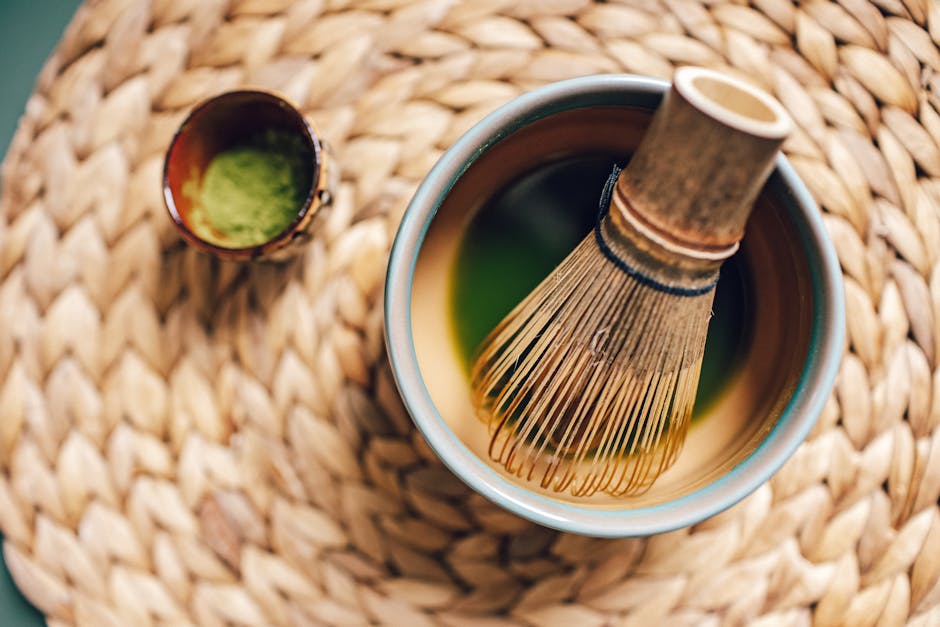
Most Matcha on the Market Isn't Worth Your Money
Matcha has gone from a Japanese tea ceremony staple to a global wellness phenomenon, and the market has responded exactly how you'd expect: by flooding the shelves with mediocre product. Walk into any grocery store and you'll find a dozen matcha powders priced anywhere from $8 to $60 for a tin. The label says "matcha." The powder inside might be vibrant emerald green or dull olive. It might dissolve into a smooth, umami-rich drink or taste like you're licking a lawnmower blade.
The gap between good matcha and bad matcha is enormous, and it matters beyond flavor. The concentration of L-theanine -- the amino acid responsible for matcha's unique cognitive effects -- varies by a factor of 3x to 5x between low-quality and high-quality powder. Origin, growing methods, processing, and freshness all determine whether you're getting a genuinely functional beverage or green-tinted dust with a wellness price tag.
We evaluated the top matcha powders on the market against the criteria that actually matter: origin and sourcing, grade accuracy, L-theanine and catechin content, color and texture, taste, and value. Here's where they landed.
Our Top Picks
- Best Overall (Premium): Ippodo Tea Ummon Ceremonial Matcha -- The gold standard. JAS Organic certified, sourced from Uji, Kyoto, with the highest L-theanine content and most refined taste in our evaluation.
- Best Value Ceremonial: Encha Ceremonial Grade Matcha -- Excellent quality at a more accessible price point. First-harvest, single-origin Uji matcha.
- Best Budget-Friendly: Jade Leaf Organic Matcha -- Solid quality for the price. USDA Organic, Japanese-sourced. Good for daily drinkers and lattes.
- Best for Lattes: DoMatcha Organic Ceremonial -- Creamy, smooth, pairs well with milk. Slightly less complex than Ippodo or Encha for straight preparation, but excels in mixed drinks.
- Best Mainstream: Chamberlain Coffee Matcha -- Not the highest grade, but widely available and approachable for people entering the matcha space.
Ceremonial vs. Culinary Grade: What It Actually Means
This is the most misunderstood distinction in the matcha world, partly because there's no universal regulatory standard for these terms. In Japan, matcha grades are determined by tea merchants based on a combination of factors. In the Western market, brands self-assign these labels with varying degrees of honesty.
Ceremonial grade matcha is made from the youngest, most tender tea leaves harvested during the first flush (typically late April through May). These leaves are shade-grown for 20-30 days before harvest, which dramatically increases chlorophyll and L-theanine content while reducing catechins (the compounds responsible for bitterness). The leaves are stone-ground into an ultrafine powder using granite mills at a rate of about 30-40 grams per hour.
Ceremonial grade should be:
- Vibrant, bright green (not yellowish or dull)
- Ultrafine texture (passes through a 300-mesh sieve)
- Smooth and umami-rich when whisked with water alone
- From the first harvest of the season
- Stone-ground, not machine-ground
Culinary grade matcha is made from later harvests (second or third flush), is often machine-ground for efficiency, and has a stronger, more astringent flavor profile. It's perfectly fine for cooking, baking, smoothies, and lattes where the matcha flavor will be blended with other ingredients. But it lacks the nuance, sweetness, and L-theanine potency of true ceremonial grade.
The marketing problem: Many brands sell culinary-quality matcha as "ceremonial grade" because there's no enforcement mechanism. A $12 tin of "ceremonial matcha" from a non-Japanese source is almost certainly mislabeled. True ceremonial matcha costs $0.75-$2.00 per gram at a minimum, because the production process -- shade-growing, hand-picking, deveining, destemming, and stone-grinding -- is labor-intensive and slow.
The L-Theanine + Caffeine Synergy: Why Matcha Hits Different
Matcha contains caffeine -- roughly 60-70mg per gram of powder, comparable to a strong cup of coffee. But matcha feels fundamentally different from coffee, and the reason is L-theanine.
L-theanine is a non-protein amino acid found almost exclusively in tea plants (Camellia sinensis), with the highest concentrations in shade-grown Japanese green teas. It crosses the blood-brain barrier and promotes alpha brain wave activity -- the same relaxed, focused state associated with meditation.
The research on L-theanine and caffeine in combination is remarkably consistent:
- A 2008 study in Nutritional Neuroscience found that the combination of L-theanine (97mg) and caffeine (40mg) improved speed and accuracy on attention-switching tasks and reduced susceptibility to distraction, compared to caffeine alone.
- A 2010 study in the same journal confirmed that L-theanine and caffeine in combination improved both accuracy and speed of performance on cognitive tasks, with L-theanine moderating the jittery, anxiety-producing effects of caffeine.
- A 2017 systematic review in Phytomedicine analyzed 49 human trials and concluded that L-theanine, alone and in combination with caffeine, promotes relaxation without drowsiness and enhances cognition, particularly attention and task-switching.
- A 2021 randomized controlled trial in Journal of Medicinal Food found that participants consuming matcha showed improved attention and psychomotor speed compared to placebo, with effects attributed to the synergistic action of caffeine and L-theanine.
This is why matcha produces what drinkers describe as "calm focus" -- alert without anxious, energized without wired. The L-theanine smooths out caffeine's rough edges. Coffee gives you a spike and a crash. Matcha gives you a plateau.
Why quality matters here: L-theanine content in matcha is directly correlated with growing and processing conditions. Shade-grown, first-harvest matcha from traditional Japanese growing regions can contain 20-30mg of L-theanine per gram. Mass-produced, sun-grown matcha from non-traditional regions may contain 5-10mg per gram. You're getting a fundamentally different functional beverage depending on the quality of the powder.
Why Japanese Origin Matters
Matcha originated in Japan, and despite growing global production, Japanese matcha remains the gold standard for a combination of agricultural, processing, and quality-control reasons.
Terroir and cultivars: The primary matcha-growing regions in Japan -- Uji (Kyoto), Nishio (Aichi), Kagoshima, and Shizuoka -- have centuries of experience cultivating specific tea cultivars (Samidori, Okumidori, Yabukita) that are bred for high L-theanine content and low astringency. These cultivars, combined with specific soil conditions and climate patterns, produce leaves with superior amino acid profiles.
Shading practices: Japanese matcha production involves covering tea plants with shade structures for 20-30 days before harvest. This practice, called tana or jikagise depending on the method, forces the plant to produce more chlorophyll (greener color) and convert catechins into L-theanine (sweeter, more umami flavor). Many non-Japanese producers skip or abbreviate shading because it's labor-intensive and reduces yield.
Stone-grinding tradition: Authentic Japanese matcha is stone-ground using granite mills (ishiusu). This is extraordinarily slow (30-40 grams per hour per mill) and keeps the powder cool during grinding, preserving heat-sensitive compounds. Industrial grinders process matcha faster but generate friction heat that degrades color, flavor, and nutrient content.
JAS Organic certification: Japan's JAS (Japanese Agricultural Standard) Organic certification is among the most rigorous in the world. It covers the full production chain from cultivation to processing, with strict limits on pesticide residues and heavy metals. JAS Organic matcha from Japan has been tested and verified at every step. USDA Organic matcha sourced from other countries may meet different standards.
This doesn't mean all non-Japanese matcha is bad. China produces significant quantities of matcha-style green tea powder, some of which is quite good for culinary applications. But for ceremonial-grade matcha with optimal L-theanine content and traditional quality, Japanese origin remains the benchmark.
How to Evaluate Matcha Quality Without a Lab
You don't need chromatography equipment. Here's what your senses can tell you:
Color: Good ceremonial matcha is vivid, electric green. Think fresh spring grass. If the powder is yellowish, brownish, or olive-drab, it's either low-grade, old, or oxidized. Color intensity correlates directly with chlorophyll content, which correlates with shade-growing duration.
Texture: Rub a small amount between your fingers. Ceremonial grade should feel silky, almost like eyeshadow or fine cosmetic powder. If it feels gritty or coarse, it was likely machine-ground or is a lower grade. Stone-ground matcha particles are typically 5-10 microns. Machine-ground can be 20-50 microns.
Aroma: Fresh ceremonial matcha has a sweet, vegetal aroma with hints of seaweed or fresh-cut grass. If it smells dusty, stale, or strongly bitter, it's either old or low quality. Matcha oxidizes quickly after the tin is opened -- aroma degradation is one of the first signs.
Taste (straight): Whisk a half-teaspoon with 2 ounces of 175F water. Good ceremonial matcha should taste smooth, umami-rich, mildly sweet, and slightly vegetal with minimal bitterness. If it's overwhelmingly bitter, astringent, or one-dimensional, it's not ceremonial quality regardless of what the label says.
Foam: When properly whisked, ceremonial matcha produces a thick, persistent microfoam with fine, even bubbles. Culinary grade produces thinner, less stable foam with larger bubbles. This is a texture indicator, not a quality guarantee, but it's a useful data point.
Detailed Brand Reviews
1. Ippodo Tea Ummon Ceremonial Matcha -- Best Overall (Premium)
Price: $34 for 20g | Japanese origin (Uji, Kyoto) | JAS Organic
Ippodo has been in the tea business since 1717. When a company has 300+ years of continuous operation in a single product category, they tend to know what they're doing.
The Ummon is their most accessible ceremonial grade -- sweet, rich, with a deep umami character and almost zero bitterness. The color is brilliant emerald, the texture is cloud-fine, and it produces the most impressive microfoam of any matcha we tested. Whisked with just water, it's a complete experience. No milk, no sweetener needed.
At $1.70/gram, Ippodo is a premium product. But consider that a single gram makes one serving, and that serving delivers approximately 60-70mg of caffeine and an estimated 25-30mg of L-theanine -- the optimal ratio for calm, sustained focus. A coffee equivalent with a nootropic stack would cost more and work less elegantly.
What we like:
- JAS Organic certified with full traceability to Uji, Kyoto
- Highest L-theanine content we encountered (based on origin, cultivar, and shading data)
- Exceptional taste -- sweet, umami-rich, zero bitterness
- 300+ years of continuous tea production expertise
- Beautiful packaging that keeps the powder fresh and protected from light
What we don't:
- $34 for 20g (approximately 20 servings) is premium pricing
- Only available through Ippodo's website and select specialty retailers
- Small tin size means frequent reordering for daily drinkers
- Limited availability outside the US and Japan
Best for: Anyone who wants the best matcha available outside of a Kyoto tea house. Daily drinkers who prioritize quality over cost per serving.
2. Encha Ceremonial Grade Matcha -- Best Value Ceremonial
Price: $29.95 for 30g | Japanese origin (Uji, Kyoto) | USDA Organic
Encha occupies the sweet spot between Ippodo's uncompromising quality and the mass market's budget pricing. Founded by a Stanford-trained engineer with roots in Uji tea farming, Encha sources exclusively from first-harvest, single-origin Uji farms using organic practices.
The color is vibrant green, the taste is smooth and vegetal with good umami, and the price per gram ($1.00) is significantly more accessible than Ippodo while maintaining genuinely ceremonial quality. It's the matcha we'd recommend to someone who wants to drink high-quality matcha every day without spending $150/month.
What we like:
- Single-origin Uji sourcing with farm-level traceability
- First-harvest leaves only
- USDA Organic certified
- $1.00/gram is excellent for legitimate ceremonial quality
- Direct-to-consumer model keeps prices reasonable
What we don't:
- Slightly less complex than Ippodo in a side-by-side tasting
- Limited retail availability (primarily online)
- Resealable pouch rather than tin (less light protection)
Best for: Daily matcha drinkers who want ceremonial quality at a sustainable price point.
3. Jade Leaf Organic Matcha -- Best Budget-Friendly
Price: $9.95-$19.95 for 30g | Japanese origin | USDA Organic
Jade Leaf is the brand that made decent matcha accessible. Available at Target, Amazon, Whole Foods, and most grocery chains, Jade Leaf offers both ceremonial and culinary grades at prices that don't require a second mortgage on your tea habit.
The ceremonial grade is genuinely good -- not Ippodo-level, but a legitimate step above most comparably priced options. Bright green color, smooth texture, mild sweetness with a touch more astringency than the premium picks. The culinary grade is excellent for lattes, smoothies, and baking.
What we like:
- Best price-to-quality ratio in the category
- USDA Organic, Japanese-sourced
- Wide retail availability
- Multiple grades and sizes for different uses
- Good latte matcha if you're mixing with milk
What we don't:
- Ceremonial grade, while good, doesn't match dedicated premium brands in complexity
- Exact regional sourcing within Japan is less transparent
- Some batches show color variation, suggesting inconsistent sourcing
- Larger tins risk oxidation if you don't consume quickly
Best for: Budget-conscious daily drinkers and people who primarily use matcha in lattes, smoothies, or recipes.
4. DoMatcha Organic Ceremonial -- Best for Lattes
Price: $29.99 for 30g | Japanese origin (Kagoshima) | USDA Organic
DoMatcha takes a different sourcing approach, drawing primarily from Kagoshima Prefecture rather than the more famous Uji region. Kagoshima, located on Japan's southern island of Kyushu, offers volcanic soil, clean air, and a warmer climate that produces matcha with a slightly different flavor profile -- creamier, less astringent, and particularly well-suited to pairing with milk.
The organic ceremonial grade is smooth and versatile. Whisked straight, it's pleasant but lacks the depth and complexity of Ippodo or Encha. In a latte, it's arguably the best in our lineup -- the creamy character plays beautifully with oat or whole milk.
What we like:
- Excellent latte performance -- creamy, smooth, pairs well with milk
- USDA Organic, single-origin Kagoshima
- Good texture and foam production
- Reasonable pricing at $1.00/gram
What we don't:
- Less complex flavor profile when whisked straight
- Kagoshima matcha is generally lower in L-theanine than Uji matcha
- Packaging could be more protective against light and air
- Brand awareness is lower, making it harder to find in stores
Best for: People who primarily drink matcha lattes and want a powder that excels in milk-based preparations.
5. Chamberlain Coffee Matcha -- Best Mainstream
Price: $25 for 30g | Japanese origin | USDA Organic
Full disclosure: Chamberlain Coffee is a celebrity brand (Emma Chamberlain), and celebrity brands in the wellness space have a spotty track record. But credit where it's due -- Chamberlain's matcha is a legitimate product that's introducing a lot of people to quality matcha who wouldn't otherwise seek it out.
The powder is USDA Organic, Japanese-sourced, and labeled as ceremonial grade. In our testing, it falls somewhere between ceremonial and premium culinary -- good color, decent taste, but lacking the depth and sweetness of true top-tier ceremonial. For its target audience (people discovering matcha through social media), it's a solid starting point.
What we like:
- Accessible brand that introduces new consumers to matcha
- USDA Organic, Japanese origin
- Clean ingredient list (just matcha)
- Widely available online
What we don't:
- "Ceremonial grade" label is generous -- closer to premium culinary in taste testing
- Celebrity brand premium on pricing
- Limited transparency about specific sourcing regions and farms
- Brand is more lifestyle than tea expertise
Best for: Matcha-curious buyers who want a recognizable brand and a reliable starting point.
Brand Comparison Table
| Feature | Ippodo Ummon | Encha | Jade Leaf | DoMatcha | Chamberlain |
|---|---|---|---|---|---|
| Price/gram | $1.70 | $1.00 | $0.33-$0.67 | $1.00 | $0.83 |
| Origin | Uji, Kyoto | Uji, Kyoto | Japan | Kagoshima | Japan |
| Certification | JAS Organic | USDA Organic | USDA Organic | USDA Organic | USDA Organic |
| True ceremonial? | Yes | Yes | Borderline | Yes | Borderline |
| Color | Vivid emerald | Bright green | Bright green | Medium green | Medium green |
| Taste (straight) | Exceptional | Very good | Good | Good | Decent |
| Latte performance | N/A (too good) | Very good | Good | Excellent | Good |
| L-theanine (est.) | Highest | High | Moderate | Moderate | Moderate |
| Availability | Online/specialty | Online | Wide retail | Moderate | Online/select |
| Our pick for | Best overall | Best value | Best budget | Best lattes | Mainstream |
How to Prepare Matcha Properly
Great matcha prepared poorly is worse than good matcha prepared well. Here's the method:
What you need:
- Matcha powder (1-2g, about 1/2 to 1 teaspoon)
- A bamboo whisk (chasen) or a small electric frother
- A wide bowl (chawan) or any wide-mouth cup
- Water at 170-180F (77-82C) -- NOT boiling
Steps:
- Sift 1-2g of matcha through a fine mesh strainer into your bowl. This breaks up clumps and ensures smooth preparation. Don't skip this -- it takes 10 seconds and makes a meaningful difference.
- Add water -- about 2-3 ounces (60-90ml) of 175F water. Using boiling water scorches the powder and destroys delicate compounds. If you don't have a variable temperature kettle, boil water and let it cool for 3-4 minutes.
- Whisk vigorously in a W or M motion (not circular) for 15-20 seconds until a thick, even microfoam forms on the surface. The foam should be fine-bubbled and persistent.
- Drink immediately. Matcha settles quickly, and the taste is best fresh.
For lattes: Prepare a concentrated shot with 2g matcha and 2oz water, whisk until smooth, then pour over 6-8oz of steamed or heated milk. Oat milk works particularly well with matcha's vegetal character.
Related Reading
- Best Healthy Energy Drinks 2026 -- other clean caffeine sources
- Best Adaptogen Drinks 2026 -- functional beverages for calm focus
- Best Hydration Packets 2026 -- stay hydrated alongside your matcha
- Best Green Juice Brands 2026 -- other plant-based wellness drinks
- Best Coconut Water Brands 2026 -- natural hydration alternatives
The Bottom Line
If you want the best matcha available, buy Ippodo Ummon — it's the gold standard from a 300-year-old Kyoto tea house. For daily drinking without the premium price, Encha delivers genuine ceremonial quality at $1/gram. Jade Leaf is the best budget-friendly pick for lattes and smoothies. Whatever you choose, prioritize Japanese origin (Uji or Kagoshima), USDA Organic or JAS Organic certification, and skip anything labeled "ceremonial" that costs under $0.50/gram — it isn't.
Frequently Asked Questions
How much caffeine is in matcha?
A standard serving of matcha (1-2g of powder) contains approximately 60-140mg of caffeine, comparable to one cup of coffee. The key difference is the presence of L-theanine, which modulates caffeine's effects -- slower absorption, less jitteriness, no crash. The caffeine in matcha is also partially bound to catechins, which may slow its release.
Is matcha actually better than coffee?
Different, not categorically better. Matcha provides L-theanine + caffeine synergy that coffee doesn't. Coffee provides higher concentrations of chlorogenic acids and other polyphenols. Both are associated with health benefits in the epidemiological literature. The practical difference: matcha users consistently report smoother, more sustained energy without the anxiety or crash that some people experience with coffee. If coffee works well for you, there's no need to switch. If you're sensitive to caffeine's anxiogenic effects, matcha is worth trying.
How can I tell if matcha has gone bad?
Matcha degrades through oxidation and light exposure. Signs of degradation: color shifting from green to yellow-brown, loss of aroma (should smell sweet and vegetal), and increased bitterness. Once opened, consume within 1-2 months for best quality. Store in an airtight container in a cool, dark place. Refrigeration can extend freshness but introduce moisture issues -- if refrigerating, let the container come to room temperature before opening to prevent condensation.
Does matcha quality really affect the health benefits?
Yes, significantly. Research shows that shade-grown, first-harvest matcha can contain 3-5x more L-theanine than sun-grown or later-harvest powder. Catechin (EGCG) content also varies, though the relationship is more complex -- some catechins are actually higher in sun-grown tea. For the L-theanine + caffeine cognitive benefits that make matcha unique, quality absolutely matters.
Is lead contamination a concern with matcha?
Tea plants accumulate lead from the environment, and because matcha involves consuming the whole leaf (rather than steeping and discarding), lead exposure is a valid consideration. Japanese-grown matcha generally tests lower for lead than Chinese-grown matcha, likely due to differences in soil contamination levels. Choosing USDA Organic or JAS Organic-certified matcha from Japan is the best risk-mitigation strategy. Consumer Reports and third-party labs have tested commercial matchas and found that most Japanese-origin products fall well within safe limits.
Can I drink matcha every day?
Daily matcha consumption is common in Japan and is generally considered safe for healthy adults. The main considerations are caffeine sensitivity (if 60-140mg of caffeine affects your sleep, stop drinking matcha by early afternoon) and the cumulative cost of quality matcha ($30-50/month for daily use with ceremonial grade). From a health perspective, regular consumption is where the benefits in the research literature are most consistently observed.
Affiliate Disclosure: Freak Naturals may earn a commission on purchases made through links in this article. This does not affect our editorial independence — we recommend products based on research and testing, not commissions.