FREAK
FREAK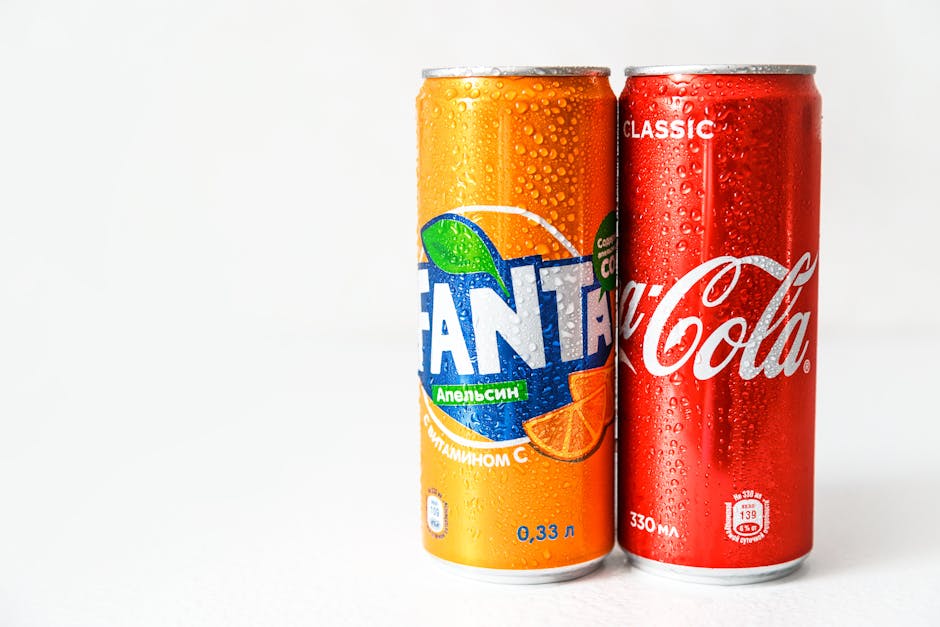
The Prebiotic Soda Market Has a Honesty Problem
Prebiotic sodas have exploded from a niche health-store curiosity into a multi-billion-dollar category. Walk into any grocery store and you'll find an entire shelf dedicated to cans promising gut health, digestive support, and a guilt-free soda experience. The marketing is slick. The claims are bold. And the science? It's more complicated than any of these brands want you to think.
Here's the reality: a single can of prebiotic soda is not going to transform your microbiome. The clinical research on prebiotics typically uses doses of 12 to 20 grams of prebiotic fiber daily, sustained over weeks to months, to see meaningful shifts in gut bacteria populations. Most prebiotic sodas deliver 2 to 9 grams per can. That's a contribution, not a solution.
That doesn't mean these drinks are worthless. Replacing a 39-gram-sugar regular cola with a 2-to-5-gram-sugar prebiotic alternative is objectively a better choice. The question is which brands give you the most legitimate prebiotic benefit for your money, and which ones are essentially flavored sparkling water with a health halo.
We evaluated the two dominant players in the category — Olipop and Poppi — against the actual science on prebiotics, fiber dosing, and gut health.
Our Top Picks
- Best Overall: Olipop — Significantly more fiber per can (9g), more diverse prebiotic sources, and a more complex formulation backed by better science.
- Best Budget-Friendly Option: Poppi — Lower price point, solid flavor variety, and still a far better choice than regular soda, though the prebiotic dose is modest.
What to Look For in a Prebiotic Soda
Before you grab a 12-pack based on the prettiest can design, here's what actually matters.
Prebiotic Fiber Content
This is the single most important metric. Prebiotics are non-digestible fibers that feed beneficial bacteria in your large intestine. The more prebiotic fiber per serving, the more substrate your gut bacteria have to work with. Research published in the British Journal of Nutrition suggests that meaningful prebiotic effects begin at around 5 grams daily, with optimal benefits seen at 12 to 20 grams from diverse fiber sources.
Look at the nutrition label. If a "prebiotic soda" has less than 2 grams of fiber, it's essentially a marketing exercise.
Sugar Content
The whole point of switching to a prebiotic soda is to reduce sugar intake. Some brands do this well; others sneak in more sugar than you'd expect. Compare the total sugar and added sugar lines carefully. Anything over 8 grams of sugar per can starts undermining the health proposition.
Diversity of Prebiotic Sources
Not all prebiotic fibers are the same. Inulin from chicory root feeds different bacterial populations than resistant starch from cassava or fructooligosaccharides (FOS) from agave. A broader spectrum of prebiotic fibers supports a more diverse microbiome — and microbial diversity is strongly associated with better health outcomes.
Sweetener Quality
How the brand replaces sugar matters. Stevia leaf extract and monk fruit are well-tolerated by most people and have no meaningful impact on blood glucose. Erythritol is generally fine but can cause GI discomfort at higher doses. Artificial sweeteners like sucralose and aspartame have emerging research suggesting potential negative effects on gut bacteria — which is ironic for a product marketed for gut health.
What the Brand Actually Claims
The FDA doesn't approve prebiotic sodas for any health claims. Any brand implying their product will fix your digestion, boost your immunity, or cure your bloating is overstepping. Look for brands that make measured, honest claims about what their product contains rather than what it does.
Detailed Reviews
1. Olipop — Best Overall
Price: ~$36 for a 12-pack ($3.00/can)
Olipop is the prebiotic soda that actually puts serious thought into its formulation. The proprietary OLISmart blend is a combination of nine plant-based ingredients, each selected for specific prebiotic or botanical benefits. This isn't a single-fiber product with a health claim stapled on — it's a genuinely complex functional beverage.
Each 12-ounce can delivers 9 grams of dietary fiber, primarily from a combination of chicory root inulin, cassava root fiber, and Jerusalem artichoke inulin. That 9-gram dose puts Olipop in a completely different category than competitors offering 2 grams.
The full OLISmart blend includes:
| Ingredient | Type | Purpose | Verdict |
|---|---|---|---|
| Chicory root inulin | Prebiotic fiber | Feeds Bifidobacteria, most-studied prebiotic | Good |
| Cassava root fiber | Prebiotic fiber | Resistant starch, feeds diverse bacteria | Good |
| Jerusalem artichoke inulin | Prebiotic fiber | Rich in FOS, supports microbial diversity | Good |
| Nopal cactus | Botanical | Antioxidants, carotenoids, fiber | Good |
| Calendula flower | Botanical | Lutein, beta-carotene, flavonoids | Neutral |
| Kudzu root | Prebiotic starch | Resistant starch source | Good |
| Marshmallow root | Botanical | Plant mucilage, traditional digestive support | Neutral |
| Stevia leaf extract | Sweetener | Zero-calorie, no blood sugar impact | Good |
| Cassava root syrup | Sweetener | Low-glycemic natural sweetener | Neutral |
Sugar content ranges from 2 to 5 grams per can depending on flavor, and calories land between 35 and 50. For reference, a can of regular Coca-Cola has 39 grams of sugar and 140 calories.
Pros:
- 9 grams of prebiotic fiber per can — the highest in the category
- Nine-ingredient botanical and fiber blend with diverse prebiotic sources
- Only 2-5 grams of sugar per can
- Non-GMO, gluten-free, vegan, and paleo-friendly
- Wide flavor variety including Vintage Cola, Classic Root Beer, and seasonal options
Cons:
- $3.00 per can is premium pricing — adds up fast as a daily habit
- 9 grams of inulin-based fiber can cause bloating and gas in some people, especially when first starting
- OLISmart is a proprietary blend, so exact individual ingredient doses aren't disclosed
- Recent class-action lawsuit challenged the strength of gut health marketing claims
Best for: Anyone who wants a legitimate prebiotic dose in their soda replacement. If you're switching from regular soda and want the most functional benefit per can, Olipop is the clear choice.
The Lawsuit Factor: In 2025, a class-action lawsuit alleged that Olipop's gut health marketing claims overstated the product's benefits, arguing that the fiber doses per can fall below the 12+ grams daily typically used in clinical prebiotic studies. This is a fair criticism of the marketing, not the product itself. A single can of Olipop contributes meaningfully to daily fiber intake — most Americans get only 15 grams total per day against a 25-to-38-gram recommendation. Olipop's 9 grams is a significant contribution. But one can alone won't revolutionize your microbiome, and the marketing should reflect that.
Where to Buy
- Amazon: ~$36/12-pack — Buy on Amazon
- Brand Direct: ~$36/12-pack — Buy from Olipop
Prices shown may vary. Links may be affiliate links.
2. Poppi — Best Budget Option
Price: ~$30 for a 12-pack ($2.50/can)
Poppi takes a fundamentally different approach to the prebiotic soda concept. Rather than loading up on fiber, Poppi's formula centers on apple cider vinegar (ACV) as its signature functional ingredient, with a modest amount of prebiotic fiber from agave inulin.
Each can contains roughly one tablespoon of organic apple cider vinegar, 2 grams of prebiotic fiber from agave inulin, 5 grams of sugar, and 25 calories. The flavor portfolio is extensive — 12 flavors including Classic Cola, Doc Pop, Strawberry Lemon, and Orange.
Let's talk about the ACV angle. Apple cider vinegar has genuine research behind it for blood sugar management — a 2004 study in Diabetes Care showed vinegar consumption before a high-carb meal improved insulin sensitivity by 19-34%. But the doses used in studies are typically 15-30 mL (1-2 tablespoons), and the benefits are primarily for blood sugar, not gut health. Poppi's ~15 mL per can is within that range, which is legitimate, but it's worth noting this is a different mechanism than prebiotic fiber.
| Ingredient | Type | Purpose | Verdict |
|---|---|---|---|
| Sparkling water | Base | Carbonation | Neutral |
| Organic cane sugar (5g) | Sweetener | Flavor | Neutral |
| Organic agave inulin (2g fiber) | Prebiotic fiber / sweetener | Feeds gut bacteria, adds sweetness | Good |
| Organic apple cider vinegar | Functional ingredient | Blood sugar support, acetic acid | Good |
| Cassava root fiber | Prebiotic fiber | Additional fiber source | Good |
| Natural flavors | Flavoring | Taste | Neutral |
| Fruit juice concentrate | Flavoring / sweetener | Flavor and minor nutrition | Neutral |
| Stevia leaf extract | Sweetener | Zero-calorie sweetener | Good |
| Tartaric acid | Acidulant | Tartness, preservation | Neutral |
Pros:
- More affordable at $2.50/can
- Only 25 calories and 5g sugar per can
- Apple cider vinegar has legitimate (if modest) research support for blood sugar
- 12 flavors — the widest variety in the prebiotic soda category
- Clean ingredient list without artificial sweeteners
Cons:
- Only 2 grams of prebiotic fiber per can — well below meaningful prebiotic doses
- ACV benefits are primarily for blood sugar, not gut health as marketed
- Poppi faced its own $8.9 million class-action settlement in 2025 over gut health claims
- Less formulation complexity compared to Olipop's nine-ingredient blend
Best for: Soda lovers who want a lower-sugar, lower-calorie alternative with a clean ingredient list and don't want to overthink the functional claims. If you just want a better-for-you soda that tastes great, Poppi delivers.
Where to Buy
- Amazon: ~$30/12-pack — Buy on Amazon
- Brand Direct: ~$30/12-pack — Buy from Poppi
Prices shown may vary. Links may be affiliate links.
Comparison Table
| Feature | Olipop | Poppi |
|---|---|---|
| Price (12-pack) | ~$36 ($3.00/can) | ~$30 ($2.50/can) |
| Calories per can | 35-50 | 25 |
| Sugar per can | 2-5g | 5g |
| Prebiotic fiber per can | 9g | 2g |
| Number of prebiotic sources | 5+ (chicory, cassava, Jerusalem artichoke, kudzu, marshmallow) | 2 (agave inulin, cassava root fiber) |
| Signature functional ingredient | OLISmart blend (9 botanicals + fibers) | Apple cider vinegar (~1 tbsp) |
| Sweeteners used | Stevia, cassava root syrup | Organic cane sugar, stevia |
| Flavor count | 16+ | 12 |
| Certifications | Non-GMO, gluten-free, vegan, paleo | Non-GMO, gluten-free, vegan |
| Best for | Maximum prebiotic benefit | Budget-friendly soda swap |
| Our rating | 8.5/10 | 7/10 |
The Bigger Picture: What Prebiotic Sodas Can and Can't Do
Let's set realistic expectations.
What prebiotic sodas CAN do:
- Meaningfully reduce your sugar intake if replacing regular soda
- Contribute to daily fiber intake (especially Olipop at 9g)
- Provide a satisfying carbonated beverage experience without 39 grams of sugar
- Introduce prebiotic fibers that support gut bacteria as part of a broader dietary strategy
What prebiotic sodas CAN'T do:
- Fix a poor diet
- Replace whole-food fiber sources like vegetables, legumes, and whole grains
- Deliver the prebiotic doses used in clinical trials in a single can
- Guarantee specific gut health outcomes
The best approach is to view prebiotic sodas as one piece of a fiber-rich diet, not the whole strategy. Eat a diverse range of vegetables, legumes, fruits, and whole grains. Then enjoy a prebiotic soda as a genuinely better alternative to conventional soft drinks.
Methodology: How We Evaluate
We assess prebiotic sodas against five criteria:
- Prebiotic fiber content — How much fiber per can, and from how many diverse sources?
- Sugar and calorie profile — Does it actually deliver on the "healthier soda" promise?
- Ingredient quality — Are sweeteners, preservatives, and additives clean?
- Scientific support — Do the functional claims have legitimate research behind them?
- Value — What are you actually getting per dollar spent?
We read the labels, check the research, and call out the marketing BS. That's the Freak Standard.
Related Reading
- Olipop Review -- our deep dive on the top prebiotic soda
- Olipop vs Poppi -- the two biggest brands compared
- Poppi Review -- the ACV-based competitor
- Best Kombucha Brands 2026 -- fermented alternatives with probiotics
- Best Apple Cider Vinegar Drinks 2026 -- more ACV-based gut health drinks
FAQ
How much prebiotic fiber do you actually need per day?
Research suggests 5 grams daily as a minimum threshold for modest prebiotic effects, with 12 to 20 grams being the range used in most clinical studies showing significant microbiome changes. The Academy of Nutrition and Dietetics recommends 25 to 38 grams of total fiber daily for adults, and most Americans fall far short at around 15 grams. Prebiotic sodas can help close that gap, but they shouldn't be your only fiber source.
Can prebiotic sodas cause bloating or gas?
Yes, especially when you first start drinking them. Prebiotic fibers like inulin are fermented by gut bacteria, producing gas as a byproduct. This is actually a sign the prebiotics are working — your bacteria are eating them. Start with one can every other day and gradually increase. The bloating typically subsides within one to two weeks as your microbiome adapts. Olipop's higher fiber content (9g) is more likely to cause initial GI discomfort than Poppi's 2g dose.
Are prebiotic sodas safe for diabetics?
Both Olipop and Poppi are dramatically lower in sugar than conventional soda and are generally considered better options for blood sugar management. Poppi's apple cider vinegar may offer modest blood sugar benefits based on published research. However, they still contain some sugar (2-5g), and the fiber content can affect carbohydrate absorption. Consult your doctor for personalized guidance, but for most people managing blood sugar, these are a significant upgrade from regular soda.
What's the difference between prebiotics and probiotics?
Prebiotics are food for your existing gut bacteria — non-digestible fibers that beneficial bacteria ferment and feed on. Probiotics are live bacteria (like Lactobacillus or Bifidobacterium) that you introduce into your gut. Think of prebiotics as fertilizer for a garden, and probiotics as planting new seeds. Both play roles in gut health, but prebiotic sodas only contain prebiotics, not probiotics.
Is it better to get prebiotics from food or supplements?
Whole foods are the gold standard. Foods like garlic, onions, leeks, asparagus, bananas, oats, and Jerusalem artichokes are naturally rich in prebiotic fibers. They also deliver vitamins, minerals, and other beneficial compounds that a soda can't replicate. Prebiotic sodas are best viewed as a supplement to a fiber-rich diet, not a replacement for it.
Are the class-action lawsuits against prebiotic soda brands a red flag?
Both Olipop and Poppi have faced class-action lawsuits challenging their gut health marketing claims. The core argument is that the prebiotic doses per can are lower than what clinical studies use to demonstrate meaningful microbiome changes. This is a legitimate criticism of the marketing, not necessarily the products themselves. Both products are safe, contain real prebiotic ingredients, and are objectively healthier than conventional soda. The issue is with overblown marketing claims, not product safety.
The Bottom Line
Olipop is the better prebiotic soda. At 9 grams of fiber from five-plus prebiotic sources, it delivers a meaningfully higher dose of prebiotics in a more complex formulation. If you're buying prebiotic soda specifically for the functional gut health benefits, Olipop is worth the extra $0.50 per can.
Poppi is the better soda replacement. If you're primarily looking for a tasty, low-sugar alternative to Coca-Cola and the prebiotic angle is a bonus rather than the point, Poppi's lower price, extensive flavor lineup, and clean ingredient list make it a solid daily choice.
Either way, you're making a dramatically better decision than reaching for a conventional soda. And that might be the most important takeaway of all.
Affiliate Disclosure: Freak Naturals may earn a commission on purchases made through links in this article. This does not affect our editorial independence — we recommend products based on research and testing, not commissions.