FREAK
FREAK
Best Green Juice Brands in 2026: Cold-Pressed, HPP, and Which Ones Actually Deliver
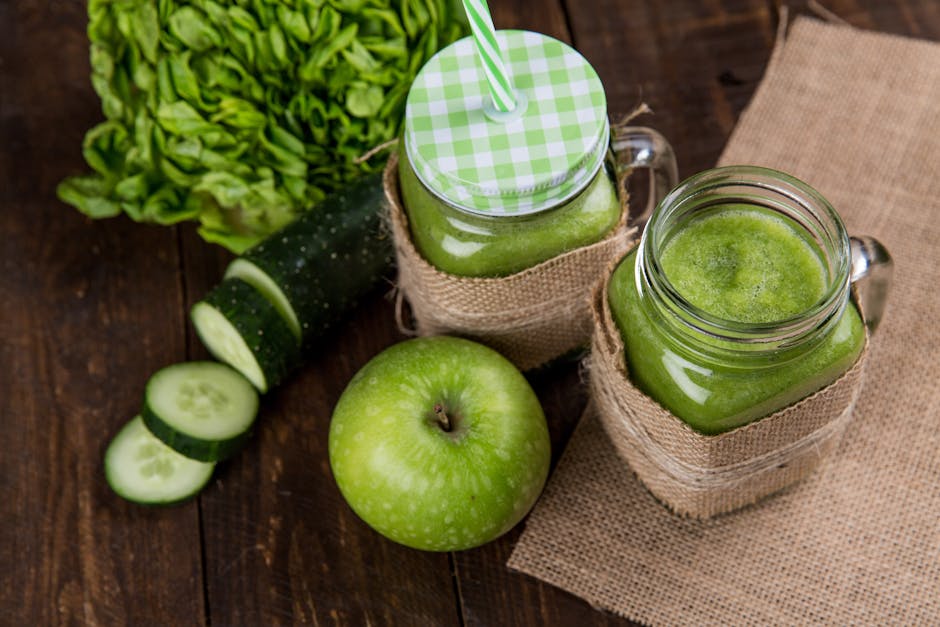
The green juice market is a study in contradictions. On one hand, drinking concentrated vegetables is objectively good for you. Most Americans eat fewer than 2 servings of vegetables per day -- well below the 5-9 servings recommended by the USDA. A well-made green juice can pack 3-5 servings of vegetables into a single bottle.
On the other hand, the category is drowning in sugar, marketing language, and false equivalences. A "green juice" that lists apple as the first ingredient is fruit juice with a kale garnish. "Cold-pressed" sounds premium but means nothing without understanding the subsequent processing. And the "detox" claims plastered across bottles are nutritional fiction -- your liver and kidneys handle detoxification, not celery juice.
We evaluated six of the most available green juice brands on what actually matters: vegetable content versus fruit content, sugar per serving, processing method (true cold-pressed vs. HPP vs. pasteurized), nutrient density, and cost per serving. Here is which ones are actually green and which ones are marketing in a green bottle.
Our Top Picks
- Best Overall: Suja Uber Greens -- Highest vegetable content, lowest sugar, cold-pressed + HPP preserved
- Best Widely Available: Evolution Fresh Essential Greens -- Starbucks distribution gives it unmatched accessibility with solid formulation
- Best Premium: Blueprint Organic Green Juice -- Clean formulation with excellent ingredient transparency
- Best Subscription: Pressed Juicery Greens -- Consistent quality from a dedicated cold-pressed brand
- Best Budget: Lakewood Organic Pure Veggie -- Organic, no fruit added, lowest cost per ounce
- Best Single-Serve: Daily Greens -- Convenient on-the-go format with transparent labeling
Cold-Pressed vs. HPP vs. Pasteurized: What You Are Actually Buying
Cold-Pressed
True cold-pressed juice is extracted using a hydraulic press that applies thousands of pounds of pressure to produce, squeezing juice without generating the heat and oxidation that centrifugal juicers create. The result retains more heat-sensitive vitamins (particularly vitamin C), enzymes, and phytonutrients. Cold-pressed juice has a shelf life of only 3-5 days under refrigeration.
Very few commercial brands sell truly raw cold-pressed juice at scale. The short shelf life makes distribution nearly impossible beyond local delivery.
HPP (High Pressure Processing)
Most "cold-pressed" brands you find in grocery stores use HPP -- High Pressure Processing. The juice is first cold-pressed, then sealed in its final packaging and subjected to extreme hydrostatic pressure (approximately 87,000 PSI) to inactivate pathogens and extend shelf life to 30-45 days. This is not heat pasteurization, and it preserves significantly more nutrients than thermal processing. But it is not truly "raw" either.
Suja, Evolution Fresh, and Blueprint all use HPP. It is the current best compromise between food safety, nutrient retention, and commercial viability.
Thermal Pasteurization
Standard pasteurization heats juice to 160-185F to kill pathogens. This extends shelf life significantly (months rather than weeks) but degrades heat-sensitive vitamins, enzymes, and some phytonutrients. Shelf-stable green juices in Tetra Paks or unrefrigerated bottles are almost always thermally pasteurized.
The Hierarchy
Raw cold-pressed (freshest, most nutrients, shortest shelf life) > HPP cold-pressed (excellent nutrient retention, 30-45 day shelf life) > Flash pasteurized (moderate degradation) > UHT pasteurized (most degradation, longest shelf life).
The Sugar Problem in Green Juice
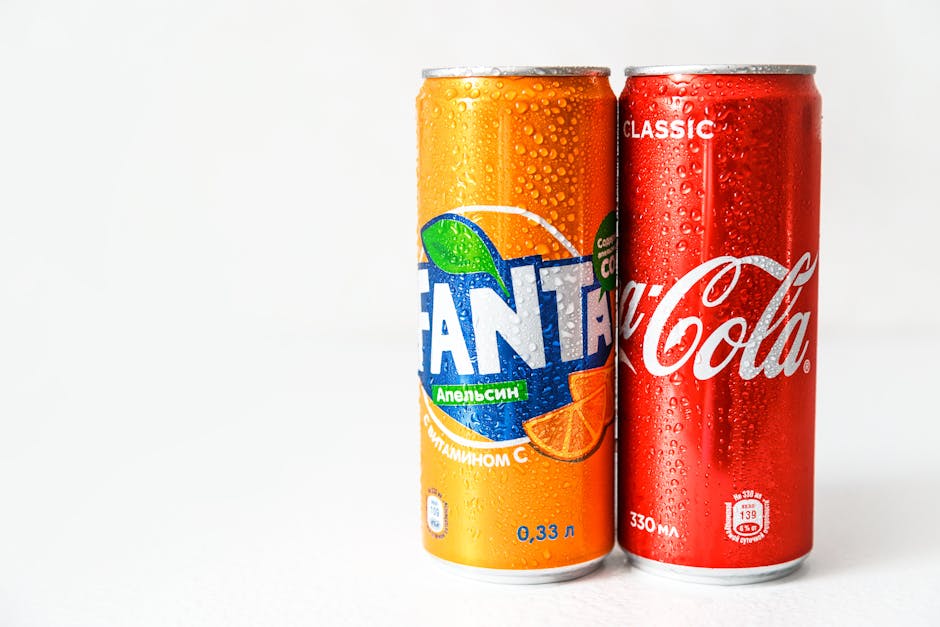
This is the elephant in the category. Many "green juices" are primarily fruit juice with token greens. Fruit juice -- even when cold-pressed and organic -- is concentrated sugar without the fiber that whole fruit provides. A 12-ounce green juice with apple and pineapple as the first two ingredients can easily contain 30-40 grams of sugar -- the same as a can of Sprite.
A 2013 study published in the BMJ found that greater consumption of fruit juice was associated with increased risk of type 2 diabetes, while greater consumption of whole fruits was associated with reduced risk. The difference: fiber. Whole fruit contains fiber that slows sugar absorption. Juice removes the fiber and delivers the sugar rapidly.
When evaluating green juices, look at:
- Ingredient order. Ingredients are listed by weight. If apple, pineapple, or mango appear before leafy greens, you are drinking fruit juice.
- Sugar per serving. Under 10g is excellent for a green juice. 10-15g is acceptable. Over 20g is fruit juice in disguise.
- Vegetable-to-fruit ratio. The best green juices lead with vegetables -- cucumber, celery, kale, spinach -- and use minimal fruit for palatability.
Green Juice vs. Greens Powder: Different Products, Different Purposes
Green juice and greens powder (Athletic Greens/AG1, Amazing Grass, etc.) occupy overlapping shelf space but serve different functions.
Green juice is actual juice from whole vegetables and fruits. It contains the water-soluble vitamins, minerals, and phytonutrients extracted from the produce. It does not contain fiber (removed during juicing). It is perishable and caloric.
Greens powder is dehydrated and powdered vegetables, grasses, algae, and other ingredients mixed into water. It contains fiber (dried and powdered). It typically includes added vitamins, minerals, probiotics, and adaptogens. It is shelf-stable and lower calorie.
Neither is objectively better. Green juice delivers more concentrated produce nutrition per serving. Greens powder delivers a broader supplement stack with some produce nutrition. If you eat plenty of vegetables already, neither is necessary. If you do not, both can help bridge the gap -- just do not confuse either one with eating actual vegetables.
Detailed Reviews
1. Suja Uber Greens -- Best Overall
Price: ~$5.00/12oz | Processing: Cold-pressed + HPP | Sugar: 5g per serving | Calories: 35 | Organic: Yes | First Ingredient: Organic cucumber juice
Suja Uber Greens leads with vegetables -- cucumber, celery, leafy greens -- and uses only a small amount of lemon and ginger for flavor. The result: 5 grams of sugar per serving, one of the lowest in the commercial green juice category. This is a genuinely green juice, not a fruit juice dyed green.
The flavor is unmistakably vegetal. Cucumber and celery dominate, with a sharp ginger finish. If you are expecting something sweet, this will be a shock. If you drink green juice because you want concentrated vegetables, this is exactly right.
Suja is cold-pressed and HPP processed, maintaining strong nutrient retention with a 30-45 day shelf life. USDA Organic, non-GMO, with a clean ingredient list that reads like a farmers market haul.
Pros:
- Lowest sugar of any national brand (5g/serving)
- Vegetable-first ingredient list (cucumber, celery, kale, spinach)
- USDA Organic, non-GMO, cold-pressed + HPP
- Only 35 calories per serving
- Widely available in natural grocery chains
Cons:
- Taste is aggressive for green juice newcomers -- very vegetal
- $5.00 for 12oz is expensive for juice
- Limited sweetness means low palatability for some
- HPP shelf life means availability varies by store
- Flavor is very similar across different Suja green varieties
Best For: People who want maximum vegetable nutrition with minimal sugar and can handle the taste.
2. Evolution Fresh Essential Greens -- Best Widely Available
Price: ~$4.50/15.2oz | Processing: Cold-pressed + HPP | Sugar: 15g per serving | Calories: 70 | Organic: Select ingredients | First Ingredient: Apple juice
Evolution Fresh, a Starbucks brand, benefits from massive distribution. You can find it in Starbucks locations, major grocery chains, and convenience stores nationwide. For many people, it is the most accessible cold-pressed green juice available.
The formula uses apple juice as a base, which makes it more palatable than Suja but adds more sugar (15g per 15.2oz bottle). Cucumber, spinach, kale, lime, and wheatgrass provide the green components. The taste is mild, slightly sweet, and approachable -- the "gateway" green juice for people who are new to the category.
Pros:
- Most widely available cold-pressed green juice
- Approachable taste (apple base makes it mild)
- HPP preserved for nutrient retention
- Larger bottle (15.2oz) offers more volume
- No artificial ingredients
Cons:
- Apple juice as first ingredient means higher sugar (15g)
- Not fully organic (only select ingredients)
- Starbucks/Pepsi ownership may matter to conscious consumers
- More fruit than vegetable by weight
- Higher calorie than vegetable-first options
Best For: Green juice beginners who want an accessible, mild-flavored option available nearly everywhere.
3. Blueprint Organic Green Juice -- Best Premium
Price: ~$8.00/16oz | Processing: Cold-pressed + HPP | Sugar: 8g per serving | Calories: 50 | Organic: Yes | First Ingredient: Organic romaine lettuce
Blueprint (formerly BluePrint Cleanse) takes ingredient quality seriously. Their green juice leads with romaine lettuce, cucumber, celery, spinach, kale, parsley, and lemon. The sugar content (8g) reflects the vegetable-forward formulation -- fruit is used sparingly for taste, not as a base.
The ingredient transparency is excellent. Every ingredient is listed with its source, and the product is USDA Organic. The taste is clean, crisp, and noticeably "greener" than Evolution Fresh but less aggressive than Suja Uber Greens. It hits a sweet spot of flavor and nutrition.
Pros:
- Excellent vegetable-to-fruit ratio
- USDA Organic with full ingredient transparency
- Clean, balanced taste
- 8g sugar -- low for the category
- HPP cold-pressed
Cons:
- $8.00/16oz is premium pricing -- the most expensive per bottle
- Limited distribution compared to Suja or Evolution Fresh
- Primarily available through online subscription or specialty stores
- Short refrigerated shelf life
- Brand is less widely recognized than competitors
Best For: Consumers who want the highest-quality formulation and are willing to pay a premium for excellent ingredients and transparency.
4. Pressed Juicery Greens -- Best Subscription
Price: ~$6.50/12oz (or ~$5/bottle on subscription) | Processing: Cold-pressed + HPP | Sugar: 7g per serving | Calories: 40 | Organic: No (but non-GMO) | First Ingredient: Cucumber juice
Pressed Juicery is one of the original cold-pressed juice bar brands, and their bottled green juice translates the in-store experience well. The Greens series (Greens 1, 2, 3, and 4) ranges from mild to intense, letting you choose your vegetable intensity.
Greens 1 (cucumber, celery, romaine, lemon, spinach, parsley, kale) is the most approachable. Greens 4 adds more intense greens and removes most sweetness. The subscription model ($5/bottle for regular delivery) makes Pressed the best value for daily green juice drinkers among the premium brands.
Pros:
- Range of intensity levels (Greens 1-4)
- Subscription model reduces per-bottle cost
- Cold-pressed + HPP
- Low sugar across the range (7-11g)
- Dedicated cold-pressed brand (not a side product)
Cons:
- Not organic (non-GMO only)
- Full retail price ($6.50) is steep
- Requires subscription for best value
- Brick-and-mortar stores only in select cities
- Delivery required for most customers
Best For: Dedicated daily green juice drinkers who want the convenience of subscription delivery from a reputable cold-pressed brand.
5. Lakewood Organic Pure Veggie -- Best Budget
Price: ~$5.50/32oz | Processing: Flash pasteurized | Sugar: 7g per serving (8oz) | Calories: 50 | Organic: Yes | First Ingredient: Organic tomato juice
Lakewood Organic Pure Veggie is the budget workhorse. At ~$5.50 per 32-ounce bottle (4 servings), it costs roughly $1.38 per serving -- a fraction of the cold-pressed brands. The formula is 100% organic vegetable juice: tomatoes, carrots, celery, beets, lettuce, spinach, parsley, watercress. No fruit. No added sugar.
The trade-off is processing. Lakewood uses flash pasteurization rather than HPP, which means some heat-sensitive nutrients are degraded. However, the product retains meaningful vegetable nutrition -- particularly beta-carotene from carrots, lycopene from tomatoes, and nitrates from beets.
The taste is savory -- closer to V8 than to a cold-pressed green juice. If you like vegetable juice and want it organic and affordable, Lakewood delivers.
Pros:
- Best value per serving (~$1.38)
- 100% vegetable -- no fruit added
- USDA Organic
- 32oz bottle provides 4 servings
- Widely available in natural grocery stores and online
Cons:
- Flash pasteurized (not cold-pressed or HPP)
- Taste is savory/V8-adjacent, not "green juice" in the trendy sense
- Tomato base may not appeal to those seeking leafy green nutrition
- Less phytonutrient retention than HPP brands
- Not available in single-serve
Best For: Budget-conscious consumers who want organic vegetable juice at the lowest possible cost.
6. Daily Greens -- Best Single-Serve
Price: ~$4.00/12oz | Processing: Cold-pressed + HPP | Sugar: 10g per serving | Calories: 60 | Organic: Select ingredients | First Ingredient: Varies by blend
Daily Greens offers a range of cold-pressed green juices in convenient single-serve bottles. Founded by Shauna Martin (a cancer survivor), the brand emphasizes accessible, daily vegetable nutrition. The formulations balance greens with modest fruit for palatability, landing between Suja's vegetal intensity and Evolution Fresh's fruit-forward approach.
The ingredient transparency is good -- each label clearly lists the produce in order of quantity. Sugar content varies by blend (8-14g), with the "Purify" blend being the most vegetable-forward and lowest sugar, and the "Elevate" blend adding more fruit for sweetness.
Pros:
- Convenient single-serve format
- Range of blends from mild to intense
- Cold-pressed + HPP
- Transparent labeling
- Founder's health-focused mission adds brand authenticity
Cons:
- $4.00 for 12oz -- standard premium pricing
- Not fully organic
- Some blends are fruit-forward with higher sugar (14g)
- Limited distribution -- primarily Whole Foods and specialty stores
- Brand recognition is lower than competitors
Best For: People who want a convenient single-serve green juice with moderate flavor and accessible nutrition.
Comparison Table
| Brand | Price/Serving | Processing | Sugar | Calories | Organic | First Ingredient | Best For |
|---|---|---|---|---|---|---|---|
| Suja Uber Greens | ~$5.00/12oz | Cold-pressed + HPP | 5g | 35 | Yes | Cucumber | Lowest sugar, most green |
| Evolution Fresh | ~$4.50/15.2oz | Cold-pressed + HPP | 15g | 70 | Partial | Apple | Availability, beginners |
| Blueprint | ~$8.00/16oz | Cold-pressed + HPP | 8g | 50 | Yes | Romaine | Premium quality |
| Pressed Juicery | ~$5-6.50/12oz | Cold-pressed + HPP | 7g | 40 | No (non-GMO) | Cucumber | Subscription value |
| Lakewood Pure Veggie | ~$1.38/8oz | Flash pasteurized | 7g | 50 | Yes | Tomato | Budget organic |
| Daily Greens | ~$4.00/12oz | Cold-pressed + HPP | 10g | 60 | Partial | Varies | Single-serve convenience |
Related Reading
- Best Kombucha Brands 2026 -- another health-focused beverage with gut benefits
- Best Chlorophyll Water & Drops 2026 -- another way to get your greens in drinkable form
- Best Adaptogen Drinks 2026 -- functional beverages beyond nutrition
- Best Hydration Packets 2026 -- electrolyte support alongside your green juice
- Best Apple Cider Vinegar Drinks 2026 -- another fermented wellness drink
The Bottom Line
For maximum vegetable nutrition with minimum sugar, Suja Uber Greens is the best commercial green juice in 2026 — cold-pressed, HPP processed, vegetable-first, and only 5g sugar per serving. Blueprint is the premium pick if ingredient transparency matters most. For beginners, Evolution Fresh is everywhere and approachable. And if budget is the constraint, Lakewood Organic Pure Veggie delivers 4 organic servings for ~$1.38 each. Whatever you buy: check the first ingredient. If it's apple or pineapple, you're drinking fruit juice, not green juice.
FAQ
Is green juice as good as eating vegetables?
No. Juicing removes the insoluble fiber from vegetables, which is important for gut health, satiety, and blood sugar regulation. Green juice retains water-soluble vitamins, minerals, and many phytonutrients, but it is not a complete replacement for whole vegetables. Think of green juice as a concentrated supplement to your vegetable intake, not a substitute for it.
How much sugar is acceptable in green juice?
Under 10g per serving is excellent for a green juice. The sugar in well-formulated green juices comes primarily from the vegetables themselves (cucumber, celery, beets all contain natural sugars) and any fruit used for palatability. Over 15g per serving indicates a fruit-forward formulation. Over 20g and you are drinking fruit juice with greens added as decoration.
Does cold-pressed actually matter?
Yes, with caveats. Cold-pressing avoids the heat and oxidation that centrifugal juicers generate, preserving more heat-sensitive nutrients. However, the difference between cold-pressed + HPP (what most commercial brands use) and flash pasteurization is more modest than marketing suggests. A 2016 study in Food Chemistry found that HPP-treated juices retained 90-95% of vitamin C compared to fresh juice, while thermally pasteurized juices retained 60-80%. The difference is real but not as dramatic as "cold-pressed = perfect, pasteurized = worthless."
Can green juice replace greens powder?
They serve overlapping but different purposes. Green juice provides concentrated produce nutrition in liquid form. Greens powder provides dehydrated produce plus added supplements (vitamins, minerals, probiotics, adaptogens). If your goal is vegetable nutrition specifically, green juice is more direct. If your goal is a broad nutritional supplement with some greens, a greens powder may be more efficient. They are not interchangeable.
How long does green juice last after opening?
Cold-pressed HPP green juice should be consumed within 24-48 hours of opening and kept refrigerated at all times. Unopened, HPP juices last 30-45 days refrigerated. Flash pasteurized juices last longer (check the expiration date). Once opened, all green juices degrade rapidly due to oxidation -- the color darkens and the flavor turns bitter.
Is the "detox" claim real?
No. Your liver and kidneys detoxify your body. No juice, supplement, or cleanse can replace or significantly enhance their function in a healthy person. Green juice provides micronutrients that support liver function (particularly sulforaphane from cruciferous vegetables), but calling any juice a "detox" is marketing language without clinical backing.
Where to Buy
- Suja Uber Greens -- Buy on Amazon
- Evolution Fresh Essential Greens -- Available at Starbucks and major grocery chains
- Blueprint Organic Green Juice -- Buy on Amazon
- Pressed Juicery Greens -- Buy from Pressed Juicery
- Lakewood Organic Pure Veggie -- Buy on Amazon
- Daily Greens -- Buy on Amazon
Prices shown may vary. Links may be affiliate links.
Sources: Muraki et al. 2013 (fruit consumption and diabetes risk, BMJ), Barba et al. 2016 (HPP and nutrient retention in fruit and vegetable juices, Food Chemistry), USDA FoodData Central (vegetable and juice nutritional data). Manufacturer product pages and nutrition labels.
Affiliate Disclosure: Freak Naturals may earn a commission on purchases made through links in this article. This does not affect our editorial independence — we recommend products based on research and testing, not commissions.