FREAK
FREAK
Why Most Creatine Rankings Are Useless
Search for "best creatine" and you will find the same recycled lists on every site. Affiliate-driven rankings where the top pick conveniently happens to pay the highest commission. Vague criteria like "value" and "taste" with zero mention of actual third-party testing results.
We took a different approach. We evaluated 23 creatine monohydrate products against our 19-point curation checklist. We verified third-party testing certificates. We checked dose accuracy against label claims. We flagged unnecessary fillers and proprietary ingredients. Seven products survived.
What We Looked For
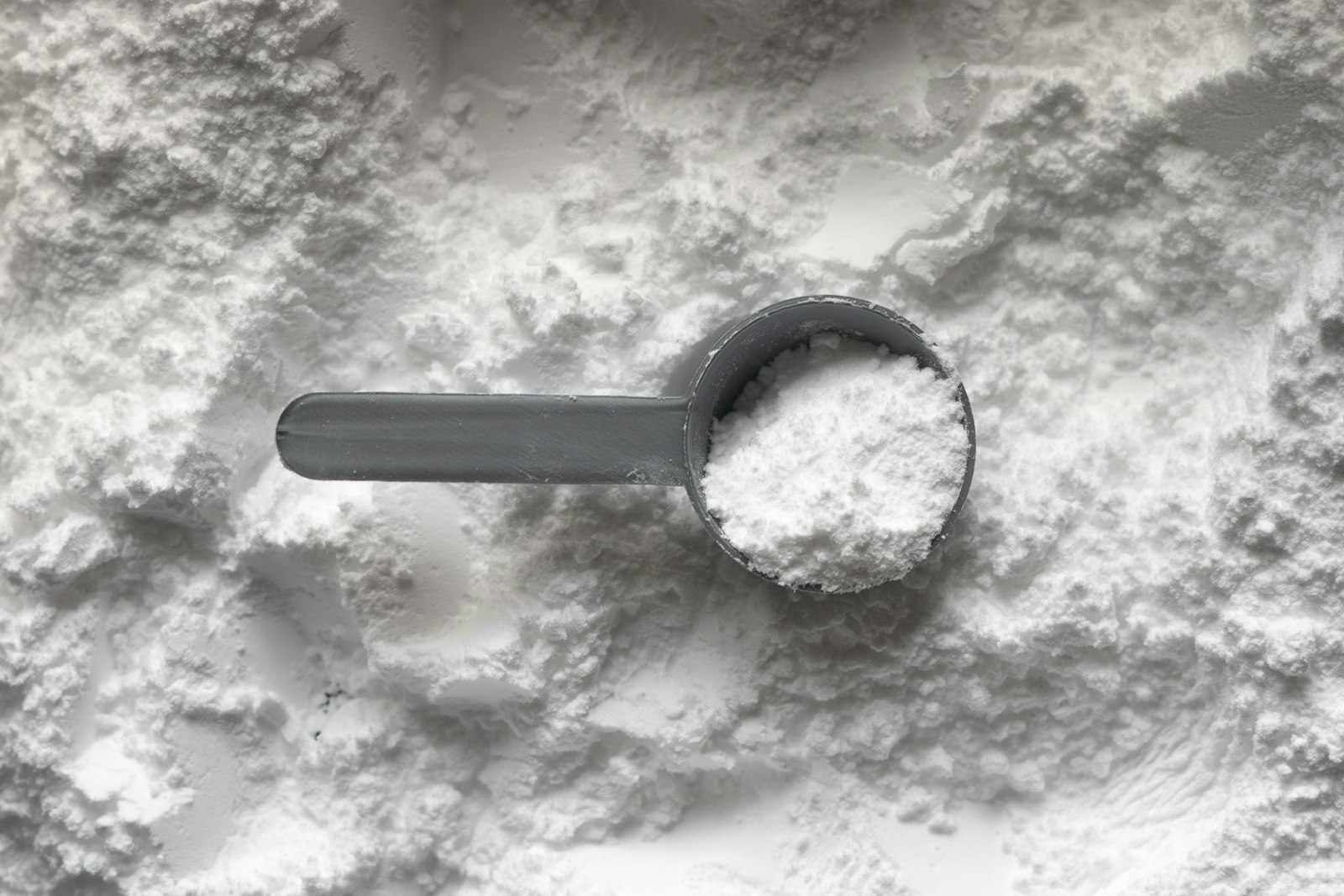
Creatine monohydrate is one of the most researched supplements in history. The effective dose is well-established: 3 to 5 grams per day of creatine monohydrate. That means evaluating creatine comes down to a few objective factors rather than marketing narratives.
Third-party testing: Is the product independently verified for purity and potency? We required NSF Certified for Sport, Informed Sport, or equivalent certification.
Dose accuracy: Does the serving actually contain the amount of creatine stated on the label? We cross-referenced available Certificate of Analysis data.
Ingredient form: Creatine monohydrate is the gold standard. It has the largest evidence base and the best bioavailability data. Products using creatine HCl, buffered creatine, or creatine ethyl ester were evaluated but flagged for the smaller body of supporting evidence.
Unnecessary additives: Some brands add artificial colors, sweeteners, or filler ingredients that serve no functional purpose. We noted these.
Heavy metal screening: Creatine sourced from low-quality raw materials can contain elevated levels of heavy metals. We required documentation showing compliance with California Prop 65 limits at minimum.
The 7 Best Creatine Supplements
1. Momentous Creatine
Momentous uses Creapure-sourced creatine monohydrate, which is manufactured in Germany under strict quality controls. The product is NSF Certified for Sport, making it one of the few creatines suitable for tested athletes.
Each serving delivers 5 grams of creatine monohydrate with zero additional ingredients. No flavoring, no sweeteners, no fillers. You get creatine and nothing else.
The Creapure sourcing is significant. Creapure is produced by AlzChem in Germany and is considered the highest-purity creatine monohydrate available. Every batch is tested for impurities including dicyandiamide, dihydrotriazine, and creatinine.
Dose: 5g creatine monohydrate per serving
Third-party testing: NSF Certified for Sport
Price per serving: $0.83
Our take: The best creatine for most people. Clean label, verified purity, clinical dose. The price is higher than bulk options, but you are paying for verified quality.
2. Thorne Creatine
Thorne is one of the most trusted names in the supplement industry, and their creatine product reflects that reputation. NSF Certified for Sport, with a clean single-ingredient formula.
Thorne sources their creatine from Creapure as well, and the product undergoes Thorne's additional internal quality testing. The company publishes Certificate of Analysis data for every batch.
Dose: 5g creatine monohydrate per serving
Third-party testing: NSF Certified for Sport
Price per serving: $0.87
Our take: Nearly identical to Momentous in quality. Thorne's brand carries additional trust due to their long track record with professional sports teams and medical practitioners.
3. Transparent Labs Creatine HMB
This is the most interesting product on the list because it combines creatine monohydrate with HMB (beta-hydroxy beta-methylbutyrate) and BioPerine black pepper extract. The HMB is dosed at 1.5 grams, which is below the clinically studied 3-gram dose but still potentially beneficial for reducing muscle protein breakdown.
The product is Informed Sport certified and uses Creapure creatine. Full label transparency with every ingredient and dose disclosed.
Dose: 5g creatine monohydrate + 1.5g HMB per serving
Third-party testing: Informed Sport
Price per serving: $1.10
Our take: A good option if you want HMB alongside your creatine, though the HMB is at half the clinical dose. The creatine component is top-tier.
4. Nutricost Creatine Monohydrate
The budget pick. Nutricost offers a straightforward creatine monohydrate powder with third-party testing through an ISO-accredited lab. It is not NSF Certified for Sport, which means it is not suitable for drug-tested athletes, but for the general population, the testing is adequate.
Dose: 5g creatine monohydrate per serving
Third-party testing: ISO-accredited lab (not NSF/Informed Sport)
Price per serving: $0.20
Our take: Best value on the list. The quality verification is not as comprehensive as Momentous or Thorne, but the product is clean and effective for recreational use.
5. Bare Performance Nutrition Creatine
BPN has built a solid reputation in the fitness community, and their creatine monohydrate is Informed Sport certified. Simple, single-ingredient formula with good mixability.
Dose: 5g creatine monohydrate per serving
Third-party testing: Informed Sport
Price per serving: $0.50
Our take: A solid mid-range option with legitimate third-party certification. Good balance of price and verified quality.
6. Klean Athlete Creatine
Klean Athlete is the supplement line from Douglas Laboratories, a professional-grade supplement manufacturer. Their creatine is NSF Certified for Sport and uses Creapure raw material.
Dose: 5g creatine monohydrate per serving
Third-party testing: NSF Certified for Sport
Price per serving: $0.93
Our take: Excellent quality that flies under the radar. The Douglas Labs pedigree adds credibility, though the price is slightly above competitors with identical formulas.
7. NOW Sports Creatine Monohydrate
NOW Foods has been manufacturing supplements since 1968, and their creatine monohydrate is Informed Sport certified. The product is available in both powder and capsule form.
Dose: 5g creatine monohydrate per serving (powder)
Third-party testing: Informed Sport
Price per serving: $0.22
Our take: A trusted brand with decades of manufacturing experience. The Informed Sport certification adds peace of mind at a budget-friendly price point.
What We Rejected (and Why)
Sixteen products did not make the cut. Common reasons for rejection included:
- No third-party testing documentation available (7 products)
- Proprietary blends hiding actual creatine dose (3 products)
- Creatine HCl or buffered creatine with insufficient evidence vs. monohydrate (2 products, evaluated but not recommended as primary choices)
- Excessive artificial additives and colorings (2 products)
- Unable to verify heavy metal testing results (2 products)
We are not naming the rejected products here. Our goal is to highlight what passes, not to generate controversy.
How to Take Creatine
The research is clear on this.
Daily dose: 3 to 5 grams of creatine monohydrate per day. Every day, including rest days.
Loading phase: Optional. Taking 20 grams per day (split into four 5-gram doses) for 5 to 7 days will saturate muscle creatine stores faster, but daily dosing of 3 to 5 grams will reach the same saturation in about 3 to 4 weeks.
Timing: It does not matter. Morning, afternoon, pre-workout, post-workout. The important thing is consistency.
With food or without: Either works. Some people experience mild stomach discomfort on an empty stomach, so taking it with food is reasonable.
Water intake: Creatine draws water into muscle cells. Staying well-hydrated is sensible but you do not need to dramatically increase water intake beyond normal healthy levels.
The Bottom Line
Creatine monohydrate is the single most well-supported supplement for strength, power, and muscle building. The evidence spans decades and hundreds of studies. It is safe, effective, and relatively inexpensive.
The biggest mistake people make is overcomplicating the choice. You want creatine monohydrate, third-party tested, at 5 grams per day. Pick any of the seven products above and you will be well-served.
If budget is no concern, go with Momentous or Thorne. If you want the best value, Nutricost or NOW Sports are excellent. If you are a tested athlete, insist on NSF Certified for Sport.
Related Reading
- Creatine Monohydrate vs. HCl -- which form is actually better?
- Momentous Creatine Review -- our deep dive on the top pick
- Thorne Creatine Review -- the runner-up examined
- Best Pre-Workout Supplements 2026 -- many include creatine, but is the dose enough?
- Best Protein Powder 2026 -- pair creatine with the right protein for maximum gains
FAQ
Is creatine safe for long-term use?
Yes. Creatine monohydrate has been studied for over 30 years with no evidence of harmful effects in healthy individuals at recommended doses. The International Society of Sports Nutrition has stated that creatine is one of the safest and most well-studied supplements available.
Does creatine cause hair loss?
One study in 2009 found that creatine supplementation increased DHT levels, which is a hormone linked to hair loss. However, this was a single study with a small sample size and has never been replicated. The current scientific consensus is that creatine is unlikely to cause hair loss, but more research is needed.
Will creatine make me look bloated?
Creatine increases intracellular water retention in muscle cells, which can cause a slight increase in body weight (typically 1 to 3 pounds). This is water inside muscle tissue, not subcutaneous bloating. Most people perceive this as their muscles looking fuller rather than bloated.
Can I take creatine with other supplements?
Yes. Creatine has no known negative interactions with common supplements including protein powder, caffeine, beta-alanine, or multivitamins. Some evidence suggests taking creatine with carbohydrates or protein may slightly improve uptake, but the effect is modest.
Do I need to cycle creatine?
No. There is no evidence that cycling creatine on and off provides any benefit. Consistent daily supplementation at 3 to 5 grams is the recommended approach.