FREAK
FREAK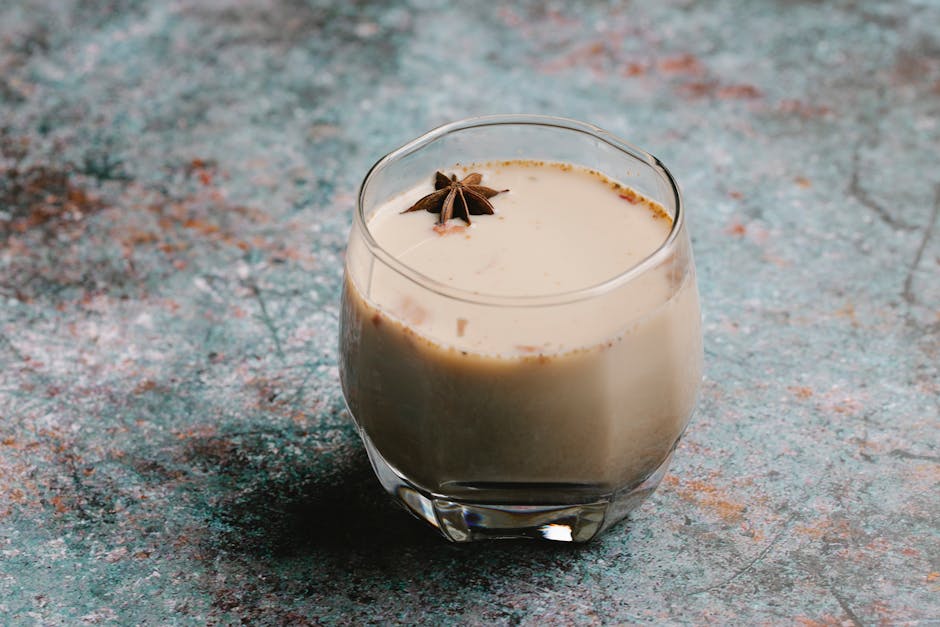
MUD\WTR Review: Worth Replacing Your Coffee?
Last Updated: March 2026 | Category: Coffee Alternatives | Freak Score: 5.7/10
Image credit: MUD\WTR. Used for editorial review purposes. MUD\WTR wants you to break up with coffee. Their pitch is compelling: a blend of functional mushrooms, cacao, and chai spices that delivers "focus and energy" with only 35mg of caffeine — roughly one-seventh the amount in a standard cup of coffee. No jitters. No crash. No 3 PM dependency spiral.
The brand has built a devoted following with slick marketing, a memorable name, and the broader cultural wave of functional mushrooms entering the mainstream. At $40-60 for a 30-serving tin (depending on whether you buy the starter kit or a refill), it positions itself as a daily ritual replacement for your morning coffee.
But here's the question nobody on their Instagram asks: are the mushroom doses actually high enough to do anything? Because the research on lion's mane, reishi, chaga, and cordyceps is real — but the doses used in those studies are often 2-5x higher than what's in a single serving of MUD\WTR.
We dug into the formula, compared every ingredient against the published literature, and scored it on our seven-point Freak Scale. The answer is more complicated than MUD\WTR's marketing suggests.
What Is MUD\WTR?
MUD\WTR (pronounced "mud water") was founded in 2018 by Shane Heath, who was looking for a way to reduce his coffee dependency. The product is a powdered blend of organic mushrooms, cacao, chai spices, and black tea that you mix with hot water (and typically a splash of creamer) as a morning beverage.
The company offers several products:
- MUD\WTR :rise Cacao — the original product and the one we're reviewing
- MUD\WTR :rise Matcha — matcha-based version (~55mg caffeine)
- MUD\WTR :rest — evening blend with reishi and valerian for sleep
- MUD\WTR :balance — turmeric-focused anti-inflammatory blend
- Starter Kits — 30-serving tin + electric frother ("Mud Whip") + creamer sample, subscription-only
All products are USDA Organic, non-GMO, vegan, gluten-free, Whole30 approved, and Kosher.
What's Inside MUD\WTR :rise Cacao
Supplement Facts Per Serving (1 tablespoon, ~6g)
| Component | Amount |
|---|---|
| Calories | 20 |
| Total Fat | 0g |
| Total Carbohydrate | 4g |
| Dietary Fiber | 1g |
| Total Sugars | 0g |
| Protein | 1g |
| Iron | 1.1mg (6% DV) |
| Caffeine (from black tea and cacao) | ~35mg |
Mushroom Blend (2,240mg total)
| Mushroom | Amount Per Serving |
|---|---|
| Organic Chaga | 560mg |
| Organic Reishi | 560mg |
| Organic Lion's Mane | 560mg |
| Organic Cordyceps | 560mg |
MUD\WTR states these are USA-grown mushrooms with full-spectrum extraction, including both fruiting body and mycelium.
Other Ingredients
Organic cacao, organic spice blend (cinnamon, turmeric, ginger, cardamom, black pepper, nutmeg, cloves), organic black tea powder, and Himalayan pink salt.
The Freak Score
| Criteria | Weight | Score | Weighted |
|---|---|---|---|
| Ingredient Quality | 18% | 7/10 | 1.26 |
| Dosing | 18% | 5/10 | 0.90 |
| Clean Formula | 15% | 9/10 | 1.35 |
| Transparency | 12% | 6/10 | 0.72 |
| Third-Party Testing | 12% | 4/10 | 0.48 |
| Value | 13% | 4/10 | 0.52 |
| Source & Manufacturing | 12% | 6/10 | 0.72 |
| Overall Freak Score | 100% | 6.0/10 |
Score Breakdown
Ingredient Quality: 7/10 — The mushroom selection is excellent. Lion's mane, reishi, chaga, and cordyceps are the four most researched functional mushrooms, each with documented bioactive compounds. All are USDA Organic and USA-grown. The spice blend (turmeric, ginger, cinnamon, black pepper) includes synergistic combinations — black pepper's piperine enhances curcumin absorption from turmeric by up to 2,000%. The cacao provides theobromine and flavanols. Ingredient selection is thoughtful. The question is quantity.
One important caveat: MUD\WTR uses mushroom mycelium cultured on organic oats and/or sorghum, not exclusively fruiting body extracts. Fruiting body extracts generally have higher concentrations of key bioactive compounds (beta-glucans, hericenones in lion's mane, triterpenes in reishi). Mycelium-on-grain products contain a percentage of the grain substrate, diluting the active compounds. This is a meaningful distinction that mushroom supplement purists will flag.
Dosing: 5/10 — This is where the formula falls short of the research. Here's the comparison:
| Mushroom | MUD\WTR Dose | Typical Research Dose | Assessment |
|---|---|---|---|
| Lion's Mane | 560mg | 1,000-3,000mg | Underdosed |
| Reishi | 560mg | 1,500-9,000mg | Significantly underdosed |
| Chaga | 560mg | 500-2,000mg | Low end of range |
| Cordyceps | 560mg | 1,000-3,000mg | Underdosed |
Three of the four mushrooms are below the doses used in the clinical research that established their benefits. And remember — those studies often used concentrated fruiting body extracts, not mycelium-on-grain products. The effective dose comparison may be even more unfavorable.
The 35mg of caffeine provides a very mild stimulant effect. For someone used to 200-400mg from coffee, this is barely perceptible.
Clean Formula: 9/10 — This is MUD\WTR's strongest attribute. The formula is genuinely clean: USDA Organic, non-GMO, no added sugars, no artificial sweeteners, no preservatives, no fillers, no "natural flavors." Every ingredient is a recognizable whole food or mushroom. Zero junk. This is a formulation you can feel good about putting in your body, even if the doses are suboptimal. Near-perfect marks here.
Transparency: 6/10 — MUD\WTR deserves credit for disclosing individual mushroom amounts (560mg each) rather than hiding behind a proprietary blend — a step above many competitors. However, they lose points for not specifying the beta-glucan content of each mushroom (the primary bioactive compound), not clarifying the ratio of fruiting body to mycelium, and not publishing Certificates of Analysis. The statement that mushrooms are grown on "organic oats and/or sorghum" means some percentage of the 560mg per mushroom is grain substrate, not pure mushroom.
Third-Party Testing: 4/10 — MUD\WTR states their products are third-party tested but does not specify the testing lab, the scope of testing, or provide publicly available certificates. They do not carry NSF, Informed Sport, USP, or any comparable independent certification. For a premium-priced product, this is below expectations. Given that mushroom supplements have been flagged in independent analyses for mislabeling and contamination, third-party verification matters here.
Value: 4/10 — The standard 30-serving tin costs $50 one-time or $40 on subscription. The Starter Kit (tin + frother + creamer) costs $60 on subscription. That works out to $1.33-2.00 per serving, depending on purchase format. For comparison: a cup of home-brewed coffee costs $0.15-0.30. A quality standalone lion's mane supplement at 1,000mg per serving costs roughly $0.50-0.80/day. You could buy individual mushroom supplements at clinical doses for less than the cost of MUD\WTR and get higher doses of each. The ritual factor and convenience have value, but the dollar-for-dollar ingredient value is low.
Source & Manufacturing: 6/10 — USA-grown mushrooms and USDA Organic certification are positives. The company emphasizes their sourcing standards. However, the mycelium-on-grain cultivation method is a cost concern for mushroom supplement quality. Grain-grown mycelium is less expensive to produce than fruiting body extracts but generally contains lower concentrations of bioactive compounds. Manufacturing facility details and heavy metal testing results are not publicly available.
Full Ingredient Breakdown
Mushroom Blend
| Ingredient | Dose | Verdict | Notes |
|---|---|---|---|
| Organic Lion's Mane (mycelium + fruiting body) | 560mg | Underdosed | The star ingredient for cognitive benefits. Studies showing improved cognitive function (Mori et al., 2009) used 3,000mg/day of fruiting body powder. Hericenones and erinacines (the key nootropic compounds) are more concentrated in fruiting body extracts. At 560mg of mycelium-on-grain, the actual dose of bioactive compounds is likely a fraction of what studies used. |
| Organic Reishi (mycelium + fruiting body) | 560mg | Underdosed | Studied for immune modulation and stress support. Clinical doses range from 1,500-9,000mg. At 560mg, this is significantly below therapeutic thresholds. Triterpenes (the key bioactive compounds) are primarily found in fruiting bodies. |
| Organic Chaga (mycelium + fruiting body) | 560mg | Neutral | Primarily studied for antioxidant content (high ORAC value). Clinical research is limited in humans. 500mg is the lower end of the supplementation range, so Chaga comes closest to a potentially meaningful dose. |
| Organic Cordyceps (mycelium + fruiting body) | 560mg | Underdosed | Studied for exercise performance and energy. A 2010 study in the Journal of Alternative and Complementary Medicine used 3,000mg/day of Cs-4 cordyceps. At 560mg, this is roughly one-fifth the studied dose. |
Cacao and Spices
| Ingredient | Dose | Verdict | Notes |
|---|---|---|---|
| Organic Cacao | Blend (not individually disclosed) | Good | Rich in theobromine (a mild, long-lasting stimulant), flavanols (cardiovascular support), and magnesium. Contributes to the 35mg caffeine. Organic sourcing is a plus. Genuine functional food ingredient. |
| Organic Cinnamon | Blend | Good | Blood sugar regulation at doses of 1-6g/day (likely underdosed here). Also adds warmth and flavor to the blend. Ceylon cinnamon would be preferred over cassia for daily use (lower coumarin content), but type is not specified. |
| Organic Turmeric | Blend | Good | Contains curcumin, a potent anti-inflammatory. Clinical doses: 500-2,000mg of curcumin. The amount in the spice blend is almost certainly sub-therapeutic, but any turmeric is a positive addition. |
| Organic Ginger | Blend | Good | Anti-nausea, anti-inflammatory, digestive support. Clinical doses: 250mg-2g. Likely a small amount here, but synergizes well with turmeric. |
| Organic Black Pepper | Blend | Premium | Contains piperine, which increases curcumin bioavailability by up to 2,000% (Shoba et al., 1998). Smart formulation choice even at small amounts. The synergy with turmeric shows thoughtful product design. |
| Organic Cardamom | Blend | Good | Digestive aid with antioxidant properties. Traditional chai ingredient. Limited clinical research but no concerns. |
| Organic Nutmeg | Blend | Neutral | Flavor ingredient. Contains myristicin. Safe in small amounts. |
| Organic Cloves | Blend | Good | Extremely high antioxidant content (highest ORAC of any spice). Anti-inflammatory properties. Adds flavor and minor health benefit. |
Base Ingredients
| Ingredient | Dose | Verdict | Notes |
|---|---|---|---|
| Organic Black Tea Powder | Blend | Good | Source of ~35mg caffeine plus L-theanine (promotes calm focus). L-theanine combined with caffeine is a well-studied nootropic pairing that provides alertness without jitteriness. The L-theanine content may be the most underappreciated functional component of the entire formula. |
| Himalayan Pink Salt | Trace | Neutral | Electrolyte support and flavor enhancement. Trace minerals. Functionally identical to regular salt despite marketing claims otherwise. |
The Mushroom Mycelium vs. Fruiting Body Debate
This matters enough to address directly, because it affects how you interpret the 560mg per mushroom figure.
Fruiting body is the visible part of the mushroom — the cap and stem you'd see growing in the wild. This is where key bioactive compounds (beta-glucans, hericenones, triterpenes) are most concentrated.
Mycelium is the root-like network that grows underground or through a substrate. When grown on grain (oats, rice, sorghum), the final product is a mixture of mycelium and grain substrate. Independent analyses of mycelium-on-grain products have found that grain starches can constitute 50-70% of the final powder.
What this means for MUD\WTR: the 560mg per mushroom isn't 560mg of pure mushroom bioactives. A meaningful percentage is grain substrate. If 50% of the weight is grain, you're getting roughly 280mg of actual mushroom material per species — which makes the underdosing problem significantly worse.
MUD\WTR has pushed back on this criticism, stating they use a full-spectrum approach that captures compounds from both mycelium and fruiting body. There's some validity to this — certain compounds (like erinacines in lion's mane) are found primarily in mycelium. But the overall concentration of bioactives in grain-grown mycelium products is generally lower than in fruiting body extracts, and MUD\WTR doesn't publish beta-glucan content to let consumers verify.
How We'd Use It
As a coffee replacement: Manage expectations. The 35mg of caffeine will not replace the neurological effect of 200-400mg from coffee. If you're transitioning off coffee, taper gradually rather than switching cold turkey. Consider using MUD\WTR in the morning alongside a small cup of coffee, then gradually reducing the coffee over 2-4 weeks.
Preparation: Mix one tablespoon with 8-10 oz of hot (not boiling) water. Use a frother for better texture — the powder doesn't dissolve completely with stirring alone. Add a splash of oat milk, coconut milk, or their creamer for a latte-style experience. Some users add honey or maple syrup, though purists take it straight.
Flavor profile: Expect chai-forward with cacao undertones. Earthy, spiced, slightly bitter. It doesn't taste like coffee. It doesn't taste like hot chocolate. It tastes like what it is — a spiced mushroom cacao drink. Some people love it immediately; others need a week to adjust.
If you want meaningful mushroom doses: Treat MUD\WTR as a pleasant daily ritual that provides some mushroom exposure, and supplement with standalone lion's mane (1,000-2,000mg fruiting body extract) or a dedicated mushroom complex if you want research-supported doses.
Pros
- Genuinely clean formula — USDA Organic, no sweeteners, no fillers, no additives
- Thoughtful ingredient synergies — black pepper with turmeric, L-theanine from black tea with low caffeine
- Enjoyable daily ritual for people seeking a warm morning beverage without heavy caffeine
- Four research-backed mushroom species — the selection is sound even if doses are low
- 35mg caffeine provides gentle alertness without jitters, crash, or sleep disruption
- Individual mushroom amounts disclosed — more transparent than many competitors
Cons
- Mushroom doses are below clinical levels — 560mg per species when research uses 1,000-3,000mg+
- Mycelium-on-grain dilution — actual bioactive content is lower than the weight suggests
- $1.33-2.00 per serving for a product that's mostly spiced cacao with sub-therapeutic mushroom amounts
- No third-party certification — no NSF, USP, or independent CoA available
- Won't replace coffee's stimulant effect for habitual coffee drinkers (35mg vs. 200-400mg)
Who Should Buy This
MUD\WTR makes the most sense for:
- People who want to reduce caffeine but still enjoy a warm morning ritual. The transition tool concept is real.
- Caffeine-sensitive individuals who can't tolerate coffee but want something more interesting than herbal tea.
- Curious mushroom newcomers who want an easy, tasty entry point into functional mushrooms without swallowing capsules.
- Clean-label enthusiasts who value USDA Organic, whole-food ingredients above clinical dosing.
Who Should Skip
People who want clinical mushroom doses. You'll get more from a dedicated lion's mane supplement (like Real Mushrooms Lion's Mane, 1,000mg fruiting body extract, $0.60/serving) than from MUD\WTR's 560mg of mycelium-on-grain. And you can still drink whatever you want in the morning.
Budget-conscious consumers. At $1.33-2.00/serving, you're paying a significant premium for what amounts to spiced cacao with sub-clinical mushroom amounts. A bag of quality cacao powder ($0.10/serving) plus a standalone mushroom supplement ($0.50-0.80/serving) delivers more bioactives for less money.
People seeking a true coffee replacement for energy. If you rely on caffeine to function, 35mg isn't going to cut it. Be honest about whether you're ready to reduce caffeine or whether you just want the aesthetic of reduced caffeine.
Comparison: MUD\WTR vs. Alternatives
| Feature | MUD\WTR :rise | RYZE Mushroom Coffee | Four Sigmatic Think | Coffee (black) |
|---|---|---|---|---|
| Price/Serving | $1.33-2.00 | $1.00 | $1.25 | $0.15-0.30 |
| Caffeine | 35mg | 48mg | 50mg | 95-200mg |
| Total Mushroom | 2,240mg | 2,000mg | 1,500mg | 0mg |
| Individual Doses | 560mg each (4 species) | 333mg each (6 species) | 250mg each (6 species) | N/A |
| Organic | Yes | Yes | Yes | Varies |
| Freak Score | 5.7/10 | 5.0/10 | 5.5/10 | N/A |
| Mycelium or Fruiting Body | Both (grain substrate) | Both (grain substrate) | Both | N/A |
| Added Ingredients | Cacao, chai spices | MCT oil, coconut milk | Rhodiola | None |
The Bottom Line
MUD\WTR is a well-crafted beverage that delivers a genuinely enjoyable morning ritual with clean, organic ingredients and a thoughtful spice-mushroom-cacao formula. The ingredient selection is smart. The formulation synergies (black pepper + turmeric, L-theanine + low caffeine) show real product knowledge. And the clean formula is among the best we've reviewed in any category.
The problem is dosing. At 560mg per mushroom species — using mycelium-on-grain, not concentrated fruiting body extract — the functional mushroom component falls well short of the doses used in the clinical research that makes these mushrooms interesting in the first place. You're getting a pleasant mushroom-spiced cacao drink, not a clinically dosed mushroom supplement.
At $1.33-2.00 per serving, the value proposition is weak if you're buying it for the mushrooms. It's stronger if you're buying it as a ritual — a warm, comforting, low-caffeine morning drink that happens to include some mushroom exposure.
Freak Score: 5.7/10 — Excellent ingredient quality and an immaculate clean formula, undermined by underdosed mushrooms, mycelium-on-grain dilution, limited third-party testing, and a premium price tag.
Where to Buy
- Brand Direct: $40/30 servings (subscription) — Buy from MUD\WTR
- Amazon: $49.99/30 servings — Buy on Amazon
- Starter Kit (tin + frother + creamer): $60 subscription — Buy Starter Kit
Subscription through mudwtr.com is the best deal at $40 for 30 servings ($1.33/serving). First-time buyers often start with the Starter Kit. Free shipping on U.S. subscription orders. Cancel anytime.
Prices shown may vary. Links may be affiliate links.
Related Reading
- Best Coffee Alternatives 2026 -- the full coffee alternative landscape
- Best Mushroom Coffee 2026 -- mushroom coffees that still taste like coffee
- Best Adaptogen Drinks 2026 -- functional relaxation beverages
- Best Mushroom Supplements 2026 -- standalone mushrooms at clinical doses
- Best Matcha Powders 2026 -- another clean caffeine source
FAQ
Does MUD\WTR taste like coffee?
No. It tastes like a spiced cacao drink with earthy undertones. Think chai latte meets hot chocolate with a mushroomy backbone. Many people enjoy it, but it's a different flavor profile entirely. If you're expecting coffee flavor, you'll be disappointed. If you're open to something new, give it a week — most people find the taste grows on them.
Will MUD\WTR give me the same energy as coffee?
Not the same kind. Coffee delivers 95-200mg of caffeine per cup; MUD\WTR delivers 35mg. You won't feel the same stimulant jolt. What some users report is a subtler, more sustained alertness without jitters or a crash — likely attributable to the L-theanine from the black tea combined with the low caffeine dose. If you're dependent on 200mg+ of caffeine daily, expect a transition period with possible headaches and fatigue.
Are the mushroom doses in MUD\WTR actually effective?
Based on published research, the doses are below what most studies used to establish benefits. Lion's mane studies typically use 1,000-3,000mg of fruiting body extract; MUD\WTR provides 560mg of mycelium-on-grain. Some exposure is better than none, and benefits may accumulate with daily use over time, but the evidence for efficacy at these specific doses is not established.
Is MUD\WTR safe?
The ingredients are all well-established foods and mushrooms with long histories of human use. The product is USDA Organic with no additives. For most healthy adults, it's very safe. People on blood thinners should consult their doctor (reishi may have mild anticoagulant effects), and people with mushroom allergies should obviously avoid it.
Is MUD\WTR worth the price?
If you value the ritual, the clean ingredients, and the experience of a warm mushroom-cacao drink, and you can afford $1.33/day, it's a pleasant product. If you're buying it strictly for functional mushroom benefits, you'll get better dosing from standalone mushroom supplements at a lower price.
Sources: MUD\WTR official product page (mudwtr.com), Amazon product listing, Garage Gym Reviews expert review, Innerbody MUD\WTR review, published mushroom research via PubMed (Mori et al. 2009 lion's mane, Journal of Alternative and Complementary Medicine cordyceps study), Examine.com functional mushroom profiles, Shoba et al. 1998 piperine bioavailability study.
Affiliate Disclosure: Freak Naturals may earn a commission on purchases made through links in this article. This does not affect our editorial independence — we recommend products based on research and testing, not commissions.