FREAK
FREAK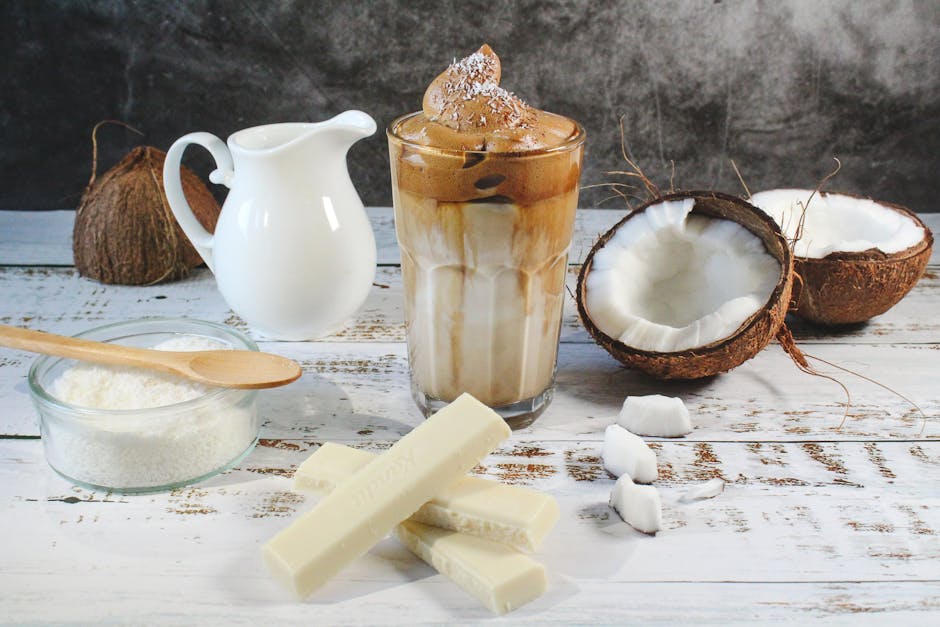
Laird Superfood Creamer Review: Better Than Bulletproof?
Last Updated: February 2026 | Category: Coffee Accessories | Freak Score: 6.5/10
Laird Superfood was born from Laird Hamilton's obsession with performance nutrition. The big-wave surfer and fitness icon wanted a clean coffee creamer that wasn't loaded with sugar, seed oils, and artificial ingredients. The result is a line of plant-based creamers built on coconut oil and functional ingredients -- no dairy, no soy, no carrageenan.
The flagship product, the Original Superfood Creamer, blends coconut oil powder, Aquamin (a mineral-rich seaweed extract), and coconut sugar into a powder you add to your coffee. Other versions include a Functional Mushroom blend with chaga, lion's mane, and cordyceps. At $13.99 for approximately 15 servings, the per-serving cost ($0.93) sits well below mushroom coffee brands but well above conventional creamer.
The question is whether "superfood creamer" is a meaningful product category or a marketing concept. We tested the formula, analyzed the ingredients against published research, and scored it on our Freak Scale.
What Is Laird Superfood Creamer?
Laird Superfood (the company, not just the man) was founded in 2015 and went public in 2020. They sell plant-based creamers, coffee, hydration products, and functional food supplements. The brand emphasizes clean ingredients, sustainability, and performance nutrition.
The creamer line includes:
- Original Superfood Creamer -- coconut oil powder, Aquamin, coconut sugar
- Unsweetened Superfood Creamer -- same base, no coconut sugar
- Functional Mushroom Creamer -- adds chaga, lion's mane, and cordyceps mushroom extracts
- Turmeric Creamer -- adds turmeric and black pepper
- Cacao Creamer -- adds organic cacao
- Sweet & Creamy -- coconut and MCT with a touch of cane sugar
All creamers are USDA Organic (most SKUs), non-GMO, dairy-free, soy-free, and gluten-free.
For this review, we're focusing on the Functional Mushroom Creamer -- the variant most relevant to readers interested in functional coffee upgrades.
What's Inside the Functional Mushroom Creamer
Nutrition Facts Per Serving (1 tablespoon, ~10g)
| Component | Amount |
|---|---|
| Calories | 60 |
| Total Fat | 4g |
| Saturated Fat | 3.5g |
| Total Carbohydrate | 5g |
| Total Sugars | 3g |
| Added Sugars | 3g |
| Protein | 0g |
| Calcium | 2% DV |
| Iron | 2% DV |
Key Ingredients
| Ingredient | Amount | Notes |
|---|---|---|
| Organic Coconut Oil Powder | Primary ingredient | Provides medium-chain fatty acids; source of the creamy texture |
| Aquamin (Lithothamnion sp.) | Not individually disclosed | Calcified seaweed mineral complex; 72+ trace minerals |
| Organic Coconut Sugar | ~3g | Low-glycemic sweetener (GI 35 vs. table sugar GI 65) |
| Organic Mushroom Blend | Not individually disclosed | Chaga, lion's mane, cordyceps extracts |
| Organic Extra Virgin Coconut Oil | Secondary fat source | Cold-pressed, unrefined |
Other Ingredients
Organic tapioca maltodextrin (carrier for powdering the coconut oil), organic acacia gum (natural binding agent).
The Freak Score
| Criteria | Weight | Score | Weighted |
|---|---|---|---|
| Ingredient Quality | 18% | 7/10 | 1.26 |
| Dosing | 18% | 5/10 | 0.90 |
| Clean Formula | 15% | 8/10 | 1.20 |
| Transparency | 12% | 6/10 | 0.72 |
| Third-Party Testing | 12% | 5/10 | 0.60 |
| Value | 13% | 7/10 | 0.91 |
| Source & Manufacturing | 12% | 7/10 | 0.84 |
| Overall Freak Score | 100% | 6.4/10 |
Score Breakdown
Ingredient Quality: 7/10 -- The ingredient selection is thoughtful and clean. Organic coconut oil provides medium-chain fatty acids (MCFAs), primarily lauric acid, which has documented antimicrobial properties and provides a sustained energy source that doesn't spike blood sugar the way simple carbohydrates do. A 2015 review in the Journal of the Academy of Nutrition and Dietetics noted that MCTs are metabolized differently from long-chain fatty acids, being rapidly absorbed and transported directly to the liver for energy.
Aquamin is a particularly interesting inclusion. This calcified seaweed extract from Lithothamnion species (harvested off the coast of Iceland) provides bioavailable calcium, magnesium, and 72+ trace minerals. A 2009 study published in Nutrition Journal found that Aquamin provided superior bioavailability of calcium compared to calcium carbonate, and a 2008 study in Biological Trace Element Research showed anti-inflammatory effects in animal models.
The mushroom blend (chaga, lion's mane, cordyceps) is a positive addition, though the individual doses are not disclosed -- a transparency concern.
Coconut sugar is a better sweetener choice than refined sugar, with a lower glycemic index (35 vs. 65) and trace minerals retained from the coconut palm sap.
Dosing: 5/10 -- This is the weakest dimension of the formula, and it's the most important one for functional claims.
The mushroom blend is listed as a proprietary blend without individual doses for chaga, lion's mane, or cordyceps. Given the total serving size of 10g (which includes coconut oil powder, Aquamin, coconut sugar, tapioca maltodextrin, and acacia gum), the total mushroom content per serving is likely in the low hundreds of milligrams -- well below the clinical ranges for any individual mushroom species.
For context:
- Lion's mane research doses: 500-3,000mg/day
- Chaga research doses: 500-2,000mg/day
- Cordyceps research doses: 1,000-3,000mg/day
A proprietary mushroom blend that might total 200-400mg split across three species is functionally a sprinkle. It's enough to appear on the label but unlikely to deliver meaningful bioactive effects.
The Aquamin dose is similarly undisclosed, though even small amounts contribute meaningful trace minerals.
Clean Formula: 8/10 -- USDA Organic on most SKUs, dairy-free, soy-free, gluten-free, non-GMO. No artificial sweeteners, no artificial flavors, no carrageenan (a common emulsifier in conventional creamers linked to gastrointestinal inflammation in some studies). The formula avoids the worst offenders found in conventional creamers.
The tapioca maltodextrin is the one ingredient purists will flag. It's a processing aid used to convert liquid coconut oil into a powder form. It's a highly processed starch with a high glycemic index. In the small amounts used here (as a carrier, not a primary ingredient), it's a minor concern -- but it's not a "whole food" ingredient.
The organic acacia gum is a natural, well-tolerated fiber used as a binding agent. No concerns there.
Transparency: 6/10 -- Laird Superfood discloses the full ingredient list and general sourcing information, but falls short on specifics. The mushroom blend is proprietary without individual mushroom doses. The Aquamin quantity is not disclosed. For a product making functional claims, this level of opacity is below expectations.
The company provides general information about their sourcing philosophy (organic farms, sustainable practices) but doesn't publish detailed Certificates of Analysis, specific farm/origin information for each ingredient, or quantified bioactive content (beta-glucans in mushrooms, mineral content from Aquamin).
Third-Party Testing: 5/10 -- USDA Organic certification requires annual audits and compliance, which provides a baseline level of verification. However, Laird Superfood does not advertise additional third-party testing for contaminants, heavy metals, or mold beyond what's required for organic certification. No NSF, USP, or independent quality certifications are listed.
For a product in the $14 range, this is standard -- but it doesn't stand out against competitors who invest in additional testing.
Value: 7/10 -- At $13.99 for approximately 15 servings ($0.93/serving), the Laird Superfood Functional Mushroom Creamer is reasonably priced for what it offers. Conventional coffee creamers cost $0.10-0.30/serving, so you're paying a 3-9x premium. But you're also getting organic coconut oil, Aquamin minerals, and mushroom extracts -- none of which are in your standard Coffee-Mate.
Compared to the Bulletproof Creamer ($14.99/13 servings = $1.15/serving) and Vital Proteins Collagen Creamer ($21.99/12 servings = $1.83/serving), Laird is the most affordable option.
Source & Manufacturing: 7/10 -- USDA Organic sourcing, plant-based ingredients, Aquamin sourced from sustainably harvested Icelandic seaweed. The company emphasizes sustainability in their sourcing and has a Certified B Corporation application on file. Coconut oil is organic and extra virgin. Manufacturing is U.S.-based.
The sustainability angle is genuine -- Aquamin's seaweed source is wild-harvested under regulated quotas to prevent overharvesting, and the calcified seaweed accumulates minerals over decades in pristine North Atlantic waters.
How the Coconut Oil Component Works
The coconut oil in Laird Superfood Creamer deserves a closer look, because it's doing more than adding creaminess.
Coconut oil is approximately 65% medium-chain triglycerides (MCTs), primarily lauric acid (C12). MCTs are metabolized differently from the long-chain fatty acids found in most dietary fats. Instead of being packaged into chylomicrons and circulated through the lymphatic system, MCTs are transported directly to the liver via the portal vein, where they're rapidly converted to energy or ketone bodies.
This metabolic pathway has several practical implications:
Sustained energy: MCTs provide a relatively quick energy source without the blood sugar spike of carbohydrates. A 2001 study in the Journal of Nutrition found that MCT consumption increased energy expenditure compared to long-chain fats.
Satiety: Adding fat to your morning coffee can increase satiety and reduce mid-morning hunger. This is the core thesis behind "bulletproof coffee" and similar fat-enhanced coffee protocols.
Ketone production: MCTs can support mild ketone production even in the absence of strict ketogenic dieting, providing an alternative fuel source for the brain. A 2016 study in the Journal of Alzheimer's Disease found that MCT supplementation increased blood ketone levels and was associated with improved cognitive function in subjects with mild cognitive impairment.
The caveat: Laird's creamer uses coconut oil powder (coconut oil encapsulated in tapioca maltodextrin), not pure MCT oil. The MCT content per serving is lower than a dedicated MCT oil supplement. You're getting some MCT benefit but not the full-strength version you'd get from C8/C10 caprylic/capric acid MCT oil.
Laird vs. Bulletproof Creamer vs. Vital Proteins Collagen Creamer
| Feature | Laird Superfood Mushroom | Bulletproof Creamer | Vital Proteins Collagen Creamer |
|---|---|---|---|
| Price/Serving | $0.93 | $1.15 | $1.83 |
| Calories | 60 | 70 | 70 |
| Fat Source | Coconut oil (MCFAs) | Grass-fed butter + MCT oil (C8) | Coconut oil |
| Protein | 0g | 0g | 10g (collagen) |
| Mushrooms | Yes (chaga, lion's mane, cordyceps) | No | No |
| Minerals | Yes (Aquamin, 72+ trace) | No | No |
| Collagen | No | No | Yes (10g bovine) |
| Sweetener | Coconut sugar (3g) | None (unsweetened) | Coconut sugar (2g) |
| Organic | Yes (USDA) | No (grass-fed, but not organic certified) | No |
| Dairy-Free | Yes | No (contains butter) | Yes |
Laird wins on: affordability, mineral content (Aquamin), mushroom inclusion, and organic certification. It's the best value for a plant-based functional creamer.
Bulletproof wins on: MCT quality (uses purified C8 caprylic acid, which produces ketones more efficiently than lauric acid-heavy coconut oil) and zero sugar. For strict keto adherents, the Bulletproof formula is more aligned.
Vital Proteins wins on: protein content. At 10g of collagen peptides per serving, it delivers a meaningful collagen dose (within the range studied for skin and joint benefits). If collagen is your priority, Vital Proteins is the better vehicle -- but at nearly double the price.
How It Tastes
Laird Superfood Creamer makes your coffee taste like a slightly sweet, coconutty latte. The coconut flavor is present but not overwhelming -- it reads as "tropical creaminess" rather than "I'm drinking coconut milk." The coconut sugar adds enough sweetness to smooth out coffee's bitterness without making it dessert-like.
The mushroom variant has no detectable mushroom flavor. Whatever mushroom content is in there, it's not enough to register on the palate -- which will be either reassuring or concerning, depending on your perspective.
Texture-wise, it dissolves reasonably well in hot coffee with stirring. A frother helps achieve a smoother, more latte-like consistency. In cold brew, it requires more aggressive mixing and may leave some graininess.
Compared to conventional creamer: it's thinner and less artificially smooth (no carrageenan or polysorbate emulsifiers), but the mouthfeel is satisfying. Compared to half-and-half or heavy cream: it's lighter, with less richness. It's a creamer for people who want something cleaner than Coffee-Mate but don't want to go black.
Who Should Buy Laird Superfood Creamer
- People replacing conventional creamer. If you're currently using Coffee-Mate, International Delight, or similar products loaded with corn syrup, seed oils, and artificial ingredients, Laird is a dramatic upgrade in ingredient quality at a modest price premium.
- Dairy-free coffee drinkers. No dairy, no soy, no lactose. Coconut-oil-based creaminess is a solid plant-based alternative.
- Keto or low-carb dieters (with the unsweetened version). The fat-forward profile supports ketogenic eating patterns, and the MCFAs from coconut oil contribute to ketone production.
- People who want a mild functional boost without committing to a full mushroom coffee product. The mushroom doses are light, but it's an easy addition to your existing coffee routine.
- Budget-conscious functional food shoppers. At $0.93/serving, it's the cheapest way to add mushrooms and minerals to your coffee.
Who Should Skip
Anyone buying this specifically for mushroom benefits. The mushroom doses are undisclosed and almost certainly sub-clinical. If you want meaningful lion's mane, chaga, or cordyceps, buy a standalone mushroom supplement. Don't rely on a creamer to deliver therapeutic doses.
People who dislike coconut. The coconut flavor is noticeable. If you find coconut taste objectionable, this creamer will be unpleasant in your daily coffee.
Strict clean-label advocates. The tapioca maltodextrin (used to powder the coconut oil) is a highly processed ingredient that purists may want to avoid. It's functionally necessary for the powder format but doesn't align with a "whole food only" philosophy.
People tracking macros precisely. At 60 calories and 4g fat per serving, this adds meaningful calories to your coffee. If you drink multiple cups and add creamer to each, the calories accumulate. For reference, 3 cups with creamer adds 180 calories and 12g of fat to your daily intake.
Pros
- Clean, USDA Organic ingredient list -- no dairy, no soy, no carrageenan, no artificial ingredients
- Aquamin mineral complex with 72+ trace minerals -- a unique and underappreciated inclusion
- Coconut oil MCFAs provide sustained energy and satiety
- $0.93/serving -- most affordable functional coffee creamer on the market
- Mushroom blend included (chaga, lion's mane, cordyceps) -- modest but present
- Pleasant taste -- coconutty, mildly sweet, easy to enjoy daily
- Plant-based and dairy-free -- suitable for vegan, lactose-free, and paleo diets
Cons
- Mushroom doses not disclosed -- proprietary blend with almost certainly sub-clinical amounts
- Aquamin dose not disclosed -- can't evaluate mineral contribution without quantity data
- Tapioca maltodextrin is a highly processed carrier ingredient
- 3g added sugar from coconut sugar per serving (12g+ if you drink 4 cups/day)
- No third-party testing beyond USDA Organic certification requirements
- 60 calories per serving adds up with multiple cups
- Coconut flavor is noticeable and won't appeal to everyone
The Bottom Line
Laird Superfood Functional Mushroom Creamer is the most affordable way to add coconut oil MCFAs, Aquamin trace minerals, and a mushroom blend to your existing coffee routine. At $0.93/serving it dramatically undercuts Bulletproof and Vital Proteins while adding functional ingredients neither of them include. The critical caveat: the mushroom doses are almost certainly sub-clinical. If you're buying this specifically for lion's mane or chaga benefits, you'll be disappointed. Buy it as a clean, plant-based creamer upgrade — the functional mushroom label is a bonus, not the point.
Freak Score: 6.5/10 — Best-value plant-based functional creamer, with underdosed and undisclosed mushroom amounts as the main weakness.
Related Reading
- Best Mushroom Coffee 2026 -- mushroom coffee with mushrooms built in
- Best Coffee Alternatives 2026 -- functional beverages beyond coffee
- Purity Coffee Review -- the cleanest coffee to pair with Laird's creamer
- Best Collagen Supplements 2026 -- dedicated collagen supplementation
- Best Coconut Water Brands 2026 -- another coconut-based functional drink
FAQ
Does Laird Superfood Creamer help with energy?
The coconut oil provides medium-chain fatty acids that are rapidly metabolized for energy, which can contribute to sustained alertness -- particularly when paired with coffee's caffeine. The effect is mild and cumulative rather than acute. The mushroom content is unlikely to contribute meaningfully to energy at the doses included.
Is Laird Superfood Creamer keto-friendly?
The unsweetened version is keto-compatible: primarily fat from coconut oil with minimal carbohydrates. The sweetened versions contain 3g of coconut sugar per serving, which may be acceptable depending on your daily carb limit (most keto protocols allow 20-50g total carbs). Multiple servings per day with the sweetened version could push you over.
How does Aquamin compare to regular mineral supplements?
Aquamin provides a broad spectrum of 72+ trace minerals in a food-derived, naturally occurring matrix. A 2009 study in Nutrition Journal found that Aquamin's calcium was more bioavailable than calcium carbonate (the most common supplemental form). The multi-mineral profile is an advantage over single-mineral supplements, as trace minerals often work synergistically. However, the undisclosed dose in Laird's creamer makes it impossible to evaluate whether you're getting a meaningful mineral contribution.
Is the coconut oil in the creamer the same as MCT oil?
No. Coconut oil is approximately 65% MCTs, primarily lauric acid (C12). Dedicated MCT oil supplements are typically purified C8 (caprylic acid) and/or C10 (capric acid), which are more efficiently converted to ketones. Lauric acid behaves more like a long-chain fat in terms of metabolism, despite technically being classified as an MCT. The ketone-producing and energy benefits of Laird's coconut oil are real but milder than what you'd get from a purified C8 MCT oil.
Can I use Laird Superfood Creamer in cold drinks?
Yes, but it dissolves better in hot liquids. In iced coffee or cold brew, you'll need to blend it vigorously (a shaker bottle or blender works) to avoid graininess. Some users mix it with a small amount of hot water first to dissolve, then add it to their cold drink.
Where to Buy
- Amazon: $13.99/~15 servings ($0.93/serving) -- Buy on Amazon
- Laird Superfood Website: $13.99, subscription options available -- Buy from Laird Superfood
Amazon Subscribe & Save can bring the price down to $11.89-12.59 per bag (15% off with 5+ items). The Laird Superfood website offers bundles and variety packs.
Prices shown may vary. Links may be affiliate links.
Sources: Laird Superfood official product page, Journal of the Academy of Nutrition and Dietetics 2015 (MCT review), Nutrition Journal 2009 (Aquamin bioavailability), Biological Trace Element Research 2008 (Aquamin anti-inflammatory effects), Journal of Nutrition 2001 (MCT energy expenditure), Journal of Alzheimer's Disease 2016 (MCT and cognitive function), Examine.com MCT and coconut oil profiles.
Affiliate Disclosure: Freak Naturals may earn a commission on purchases made through links in this article. This does not affect our editorial independence — we recommend products based on research and testing, not commissions.