 FREAK
FREAK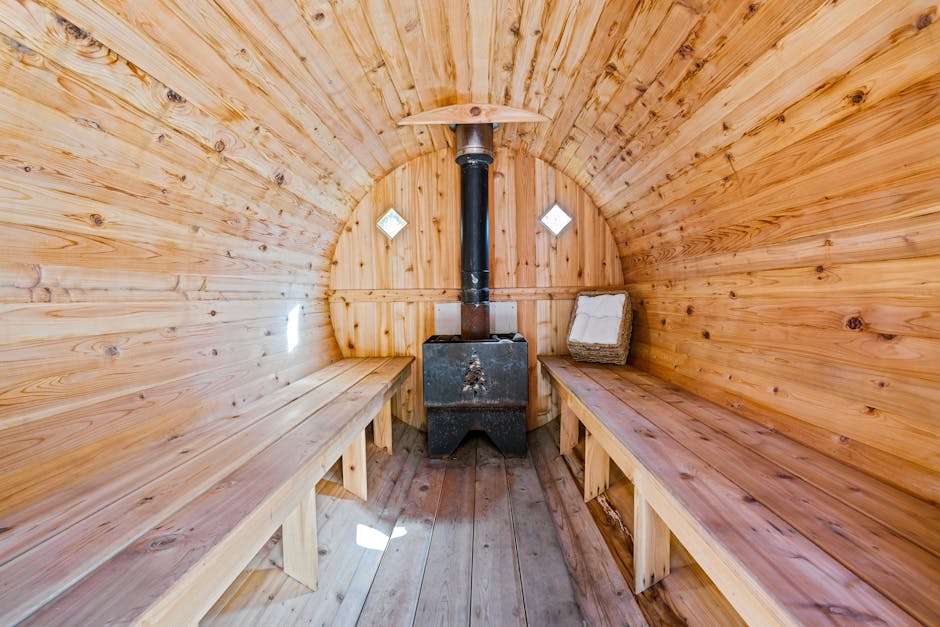
Infrared vs Traditional Sauna: Which Is Better for You?
You've decided you want a sauna. Good call. The research on regular heat exposure and cardiovascular health is genuinely impressive — we're talking about some of the longest-running observational studies in preventive medicine.
But now you're stuck at the fork: infrared or traditional? The internet will happily scream at you from both sides. Traditional sauna loyalists insist that if you're not sitting in 180°F steam, you're wasting your time. Infrared evangelists claim their panels deliver "deeper" healing at gentler temperatures. Both camps cite science. Neither camp tells you the full story.
Here's what we're going to do. We'll break down exactly how each type works at the physics level, walk through the clinical evidence for both, compare the practical stuff (cost, installation, session experience), and help you figure out which one actually matches your goals.
No sauna brand is paying us to write this. We just think heat therapy is one of the most underrated health interventions available, and you deserve the real picture before spending $2,000–$8,000 on a wooden box.
How Traditional Saunas Work: Convection Heating
A traditional sauna — whether it's a Finnish dry sauna, a wood-burning stova, or a modern electric sauna — heats the air inside an enclosed room. An electric heater (or wood stove) brings rocks to extreme temperatures. You throw water on the rocks to create steam, which raises humidity and intensifies the heat sensation.
Temperature range: 150–195°F (65–90°C) Humidity: 10–20% dry, up to 40–60% with water on rocks (löyly) Heat transfer mechanism: Convection — hot air heats your skin, which heats your core
The key thing to understand: traditional saunas heat you from the outside in. Your skin temperature rises first. Then your core temperature follows, typically increasing 1.5–2.5°F over a 15–20 minute session. This core temperature increase is what triggers the cascade of cardiovascular and hormonal responses that make sauna use beneficial.
Traditional saunas have been used in Finland for over 2,000 years, and the vast majority of sauna research — including the landmark studies out of the University of Eastern Finland — was conducted in traditional Finnish saunas.
How Infrared Saunas Work: Radiant Heating
Infrared saunas use panels that emit infrared light — electromagnetic radiation in the 700nm to 1mm wavelength range. This is the same type of radiation your body naturally emits as heat. The panels don't significantly heat the air. Instead, infrared energy penetrates your skin directly and is absorbed by water molecules in your tissue.
Temperature range: 110–150°F (43–65°C) Humidity: Typically below 20% Heat transfer mechanism: Radiation — infrared photons are absorbed directly by tissue
There are three subcategories of infrared:
- Near-infrared (NIR): 700–1400nm — penetrates deepest (up to 5cm), overlaps with photobiomodulation wavelengths
- Mid-infrared (MIR): 1400–3000nm — moderate penetration
- Far-infrared (FIR): 3000nm–1mm — absorbed mostly by the top few millimeters of skin but efficiently raises skin and core temperature
Most consumer infrared saunas use far-infrared panels (carbon or ceramic). Some newer models (like those from Clearlight and Sunlighten) incorporate full-spectrum panels that include NIR, MIR, and FIR.
The critical distinction: Infrared saunas achieve core temperature elevation through a different mechanism — direct tissue heating rather than convective air heating. But the end result is similar: your core temperature goes up, your heart rate increases, you sweat heavily, and the physiological stress response kicks in.
The Science: Cardiovascular Benefits
Traditional Sauna Evidence
The strongest evidence for sauna use and heart health comes from the Kuopio Ischaemic Heart Disease (KIHD) Risk Factor Study — a prospective cohort study following 2,315 Finnish men for over 20 years. The results, published in JAMA Internal Medicine in 2015 (PMID: 25705824), were remarkable:
- Men who used a sauna 4–7 times per week had a 63% lower risk of sudden cardiac death compared to men who used a sauna once per week
- All-cause mortality was 40% lower in the frequent-use group
- Fatal cardiovascular disease risk dropped 50%
A follow-up analysis (Laukkanen et al., 2018, BMC Medicine, PMID: 29855337) confirmed these findings and extended them to stroke risk — frequent sauna users had a 61% lower risk of stroke.
The proposed mechanisms: sauna bathing acutely reduces blood pressure, improves endothelial function (the ability of blood vessels to dilate), reduces arterial stiffness, and activates the sympathetic nervous system in a manner similar to moderate exercise. Heart rate during a sauna session can reach 120–150 BPM, roughly equivalent to moderate-intensity walking or cycling.
Important note: All of these landmark studies used traditional Finnish saunas at 80°C+ (176°F+).
Infrared Sauna Evidence
The infrared-specific research is smaller in volume but growing. A 2009 study in the Journal of the American College of Cardiology (PMID: 19608276) found that far-infrared sauna therapy improved endothelial function and reduced cardiac symptoms in patients with chronic heart failure. Patients received 15-minute FIR sessions at 60°C (140°F) daily for two weeks.
Becher et al. (2009) showed that infrared sauna sessions produced similar acute cardiovascular responses to traditional saunas — elevated heart rate, reduced blood pressure, improved arterial compliance — despite the lower ambient temperature.
A 2018 review in Clinical Cardiology (PMID: 29663538) concluded that far-infrared sauna therapy appears to offer cardiovascular benefits similar to traditional sauna use, particularly for populations who cannot tolerate the extreme heat of a Finnish sauna (elderly individuals, heart failure patients).
The honest takeaway: Traditional saunas have dramatically more evidence, primarily because of the KIHD study's size and duration. But the mechanism — core temperature elevation leading to cardiovascular stress adaptation — is the same for both types. The infrared data we have is promising and consistent with traditional sauna findings.
Detoxification: What's Real and What's Hype
Let's get the uncomfortable truth out of the way: the wellness industry's "detox" claims about saunas are mostly overblown. Your liver and kidneys are your primary detoxification organs. Sweating is a minor elimination pathway for most substances.
That said, sweat does contain measurable amounts of heavy metals and certain environmental pollutants. A 2012 systematic review in the Journal of Environmental and Public Health (PMID: 22253637) found that sweat contained arsenic, cadmium, lead, and mercury at concentrations sometimes exceeding those found in urine or blood, suggesting that sweating may be a meaningful elimination route for specific toxicants.
Does Infrared Produce "Better" Sweat?
This is one of the most persistent claims in infrared sauna marketing: that infrared sweat contains more toxins than traditional sauna sweat. The evidence for this is thin. A 2012 study (Sears et al.) found that induced sweating — regardless of method — mobilized certain toxicants. But there's no rigorous comparative study showing that infrared-induced sweat has a fundamentally different composition than traditional sauna sweat.
What's more likely: Infrared saunas allow longer sessions (because the air temperature is lower), which means more total sweating time, which means more total excretion. It's not that each drop of infrared sweat is more "detoxifying" — it's that you may produce more total sweat because you can sit there longer without feeling like your eyeballs are melting.
Both types increase sweat volume substantially. A typical 20-minute traditional sauna session produces 300–500ml of sweat. Infrared sessions, which often run 30–45 minutes, can produce similar total volumes despite the lower temperature.
Recovery and Pain Relief
If you're using a sauna for exercise recovery or chronic pain management, both types have supporting evidence — but they work slightly differently.
Traditional Sauna for Recovery
The Finnish sauna bathing tradition has long been associated with post-exercise recovery. A 2015 study in SpringerPlus (PMID: 26543719) found that post-exercise traditional sauna bathing improved recovery of neuromuscular performance compared to a control group. The mechanism involves increased blood flow to damaged tissues, reduced muscle tension, and possible modulation of inflammatory markers.
Heat shock proteins (HSPs), which are upregulated during sauna exposure, play a role in protein repair and cellular stress tolerance. HSP production is proportional to the temperature stress experienced — traditional saunas, with their higher temperatures, may produce a stronger HSP response per minute of exposure.
Infrared Sauna for Recovery and Pain
Infrared saunas have specific research in chronic pain conditions. A 2005 study in Internal Medicine (PMID: 16286886) found that far-infrared sauna therapy significantly reduced pain in patients with chronic fatigue syndrome and fibromyalgia. A 2009 study in Clinical Rheumatology (PMID: 18985216) showed infrared sauna therapy reduced pain and stiffness in patients with rheumatoid arthritis and ankylosing spondylitis.
The lower operating temperature of infrared saunas makes them accessible for people with chronic pain conditions who may not tolerate 180°F+ environments. This is a genuine practical advantage — not just a marketing point.
Mental Health and Stress
There's growing evidence that heat exposure has antidepressant effects. A landmark 2016 RCT published in JAMA Psychiatry (PMID: 27172277) found that a single session of whole-body hyperthermia produced a rapid and sustained antidepressant response that lasted up to six weeks. The study used infrared heating to raise core body temperature to 38.5°C (101.3°F).
The mechanism likely involves activation of serotonergic pathways via skin warming. Thermoreceptors in the skin send signals to the brain's raphe nuclei, which are the primary sites of serotonin production. This is why a hot sauna session leaves you feeling relaxed and mildly euphoric — it's not just "relaxation." There's a real neurochemical shift happening.
Both traditional and infrared saunas can achieve this effect, since the key variable is core temperature elevation, not the method of heating.
Head-to-Head Comparison Table
| Feature | Traditional Sauna | Infrared Sauna |
|---|---|---|
| Air temperature | 150–195°F | 110–150°F |
| Heat mechanism | Convection (hot air) | Radiation (infrared panels) |
| Session duration | 15–20 min typical | 30–45 min typical |
| Core temp increase | 1.5–2.5°F | 1.0–2.0°F |
| Warm-up time | 30–45 min | 10–15 min |
| Cardiovascular evidence | Extensive (KIHD study, 20+ years) | Growing (promising but smaller studies) |
| Power consumption | 4.5–9 kW (220V required) | 1.5–3 kW (120V works) |
| Installation | Complex (dedicated circuit, ventilation) | Plug-and-play (most models) |
| Home cost | $3,000–$8,000+ | $1,500–$5,000 |
| Operating cost/month | $30–$80 | $15–$40 |
| Best for | Cardiovascular conditioning, heat tolerance | Pain relief, gentle entry point, longer sessions |
| Humidity control | Yes (löyly) | No |
Cost Breakdown: Home Sauna Options
Traditional Sauna — Home Installation
- Barrel saunas (outdoor): $3,000–$6,000 — Popular option. Brands like Almost Heaven and Redwood Outdoors offer cedar barrel saunas that seat 2–4 people. Require a 220V dedicated circuit.
- Indoor prefab saunas: $4,000–$8,000 — Companies like Finnleo and Harvia sell modular indoor saunas. Installation typically requires an electrician and possibly ventilation work.
- Custom-built: $8,000–$15,000+ — If you want a dedicated sauna room, expect contractor costs on top of materials.
- Ongoing costs: Electricity runs $30–$80/month with daily use. Rocks need replacement every 5–10 years ($50–$100).
Infrared Sauna — Home Installation
- Portable/tent saunas: $200–$500 — Budget options like the SereneLife or sauna blankets offer infrared at the lowest price point. Limited coverage but genuinely effective.
- 1–2 person cabins: $1,500–$3,500 — The sweet spot. Brands like Clearlight, JNH Lifestyles, and Dynamic Saunas offer plug-and-play cabins that fit in a spare room corner.
- Full-spectrum premium: $4,000–$8,000 — Clearlight Sanctuary and Sunlighten mPulse offer full-spectrum infrared (NIR + MIR + FIR) with low-EMF certification.
- Ongoing costs: Electricity runs $15–$40/month with daily use. No consumables to replace.
The value play: If you're budget-conscious and want to start experiencing heat therapy benefits, an infrared sauna blanket ($150–$400) or a mid-range infrared cabin ($2,000–$3,000) offers the lowest barrier to entry. Check out our best sauna blankets guide for specific recommendations.
Who Should Choose a Traditional Sauna
You'll prefer traditional if you:
- Want the strongest cardiovascular research backing. The KIHD study data is irreplaceable. If replicating the exact protocol that showed 40–63% mortality reductions matters to you, you want a Finnish sauna at 80°C+.
- Enjoy intense heat. There's something primal about sitting in 180°F with steam rolling off hot rocks. It's a full-body assault. You either love it or hate it.
- Value the social/ritual aspect. Traditional saunas have a cultural history spanning millennia. The löyly (steam-throwing ritual), cold plunge contrast, and communal sauna tradition are unique to the traditional format.
- Want to build heat tolerance. Athletes and military personnel use traditional saunas specifically because they're harder to tolerate, which drives greater heat acclimation and plasma volume expansion.
- Have the space and electrical setup. You need a 220V circuit, proper ventilation, and ideally an outdoor location or a room that can handle moisture.
Who Should Choose an Infrared Sauna
You'll prefer infrared if you:
- Can't tolerate extreme heat. If you have cardiovascular conditions, respiratory issues, or simply find 180°F unbearable, infrared delivers meaningful core temperature elevation at 120–140°F.
- Want easy installation. Most infrared cabins plug into a standard 120V outlet. No electrician, no ventilation, no dedicated room.
- Prioritize chronic pain management. The infrared-specific research for pain conditions (fibromyalgia, RA, chronic fatigue) is compelling, and the lower temperature allows longer therapeutic sessions.
- Live in an apartment or have limited space. A compact 1-person infrared cabin fits in a closet-sized space. Sauna blankets take up even less room.
- Want lower operating costs. Infrared saunas use roughly half the electricity and warm up in a third of the time.
Combining Both: The Hybrid Approach
Some of the most dedicated heat therapy practitioners use both types. Here's a practical protocol:
- Training days: 15–20 min traditional sauna post-workout for acute recovery, HSP production, and cardiovascular conditioning
- Rest days: 30–40 min infrared sauna for relaxation, gentle detox support, and chronic pain management
- Always: Follow any sauna session with adequate hydration (16–32 oz water minimum) and electrolytes. You lose significant sodium, potassium, and magnesium through sweat.
For a deeper look at biohacking tools that complement sauna use, check out our best biohacking gadgets guide. For portable infrared heat therapy, see our best sauna blankets guide. For contrast therapy, pair sauna sessions with our top-ranked cold plunge tubs.
Safety Considerations for Both Types
Sauna use is remarkably safe for healthy adults. The Finnish data — from a country where nearly every household has a sauna — shows no meaningful safety concerns with daily use across decades.
However, some precautions apply to both types:
- Hydration is non-negotiable. Drink water before, during, and after. Electrolyte supplementation is smart for daily users.
- Alcohol + sauna = danger. A disproportionate number of sauna-related injuries and deaths in Finland involve alcohol. Don't drink and sauna.
- Pregnancy: Most guidelines recommend avoiding saunas during pregnancy, particularly in the first trimester, due to potential teratogenic effects of elevated core temperature.
- Medications: Some medications (diuretics, beta-blockers, anticholinergics) can impair thermoregulation. Consult your doctor.
- Start slowly. If you're new to sauna, begin with 10-minute sessions at the lower end of the temperature range and build up over 2–4 weeks.
Related Reading
- Best Sauna Blankets 2026 — portable infrared heat therapy tested and ranked
- Best Cold Plunge Tubs 2026 — pair sauna with cold for contrast therapy
- Best Biohacking Gadgets 2026 — sauna in the broader biohacking toolkit
- Best Red Light Therapy Devices 2026 — another infrared-based recovery modality
- Best Fitness Trackers & Wearables 2026 — track HRV and recovery response to regular sauna use
Frequently Asked Questions
Is an infrared sauna as effective as a traditional sauna?
For cardiovascular benefits, the evidence suggests yes — both types elevate core temperature and produce similar acute cardiovascular responses (increased heart rate, improved endothelial function, reduced blood pressure). However, the strongest long-term outcome data (reduced mortality, stroke, cardiac events) comes exclusively from traditional sauna studies. The mechanisms are the same; the evidence base is different in volume, not direction.
Can I use a sauna every day?
Yes. The Finnish research actually shows the greatest benefits with 4–7 sessions per week. Daily use is standard practice in Finland and Scandinavia. The key is adequate hydration and listening to your body — if you feel dizzy, lightheaded, or nauseous, get out immediately.
Do infrared saunas emit dangerous EMFs?
This is a common concern, and it depends on the model. Cheaper infrared saunas can produce elevated electromagnetic fields, particularly near the carbon or ceramic heating panels. Premium brands like Clearlight and Sunlighten engineer their panels for low-EMF output (below 3 mG at sitting position). If EMFs concern you, look for third-party EMF testing data from the manufacturer.
How long should a sauna session last?
For traditional saunas: 15–20 minutes at 80°C+ is the protocol used in most research studies. For infrared saunas: 30–45 minutes at 55–65°C is standard. In both cases, you can do multiple rounds — Finns typically do 2–3 rounds of 10–15 minutes with cold exposure (shower, plunge, or outdoor cool-down) between rounds.
Is sauna better before or after a workout?
After. Pre-workout sauna use can impair performance by elevating core temperature, increasing heart rate, and causing dehydration before you even start exercising. Post-workout sauna use enhances recovery through increased blood flow to damaged tissues and heat shock protein production. The exception: some athletes use brief pre-workout heat exposure specifically for heat acclimation training.
Do saunas help with weight loss?
Saunas cause acute water weight loss through sweating — you can easily lose 1–2 pounds of water weight in a single session. This is not fat loss. It's rehydrated within hours. However, regular sauna use may have indirect metabolic benefits: improved insulin sensitivity, reduced inflammation, and activation of brown adipose tissue (particularly with cold exposure contrast). Don't buy a sauna to lose weight. Buy it for cardiovascular health, recovery, and stress management — and consider any metabolic effects a bonus.
The Bottom Line
There is no wrong choice here. Both infrared and traditional saunas elevate core body temperature, trigger cardiovascular adaptations, increase heat shock proteins, promote sweating, and leave you feeling genuinely better. The research supports both formats.
If you forced us to choose: traditional saunas have the stronger evidence base thanks to the massive Finnish longitudinal studies. If you have the budget, space, and electrical setup, a traditional sauna is the gold standard.
But if you want lower cost, easier installation, gentler heat, and the ability to do longer sessions — an infrared sauna delivers 80–90% of the benefit at a fraction of the complexity. For most people, especially those just starting with heat therapy, an infrared sauna is the practical choice.
The best sauna is the one you'll actually use four or more times per week. Pick the type that fits your life, your space, and your tolerance — and then use it consistently. That's where the magic happens.
Affiliate Disclosure: Freak Naturals may earn a commission on purchases made through links in this article. This does not affect our editorial independence — we recommend products based on research and testing, not commissions.
