 FREAK
FREAK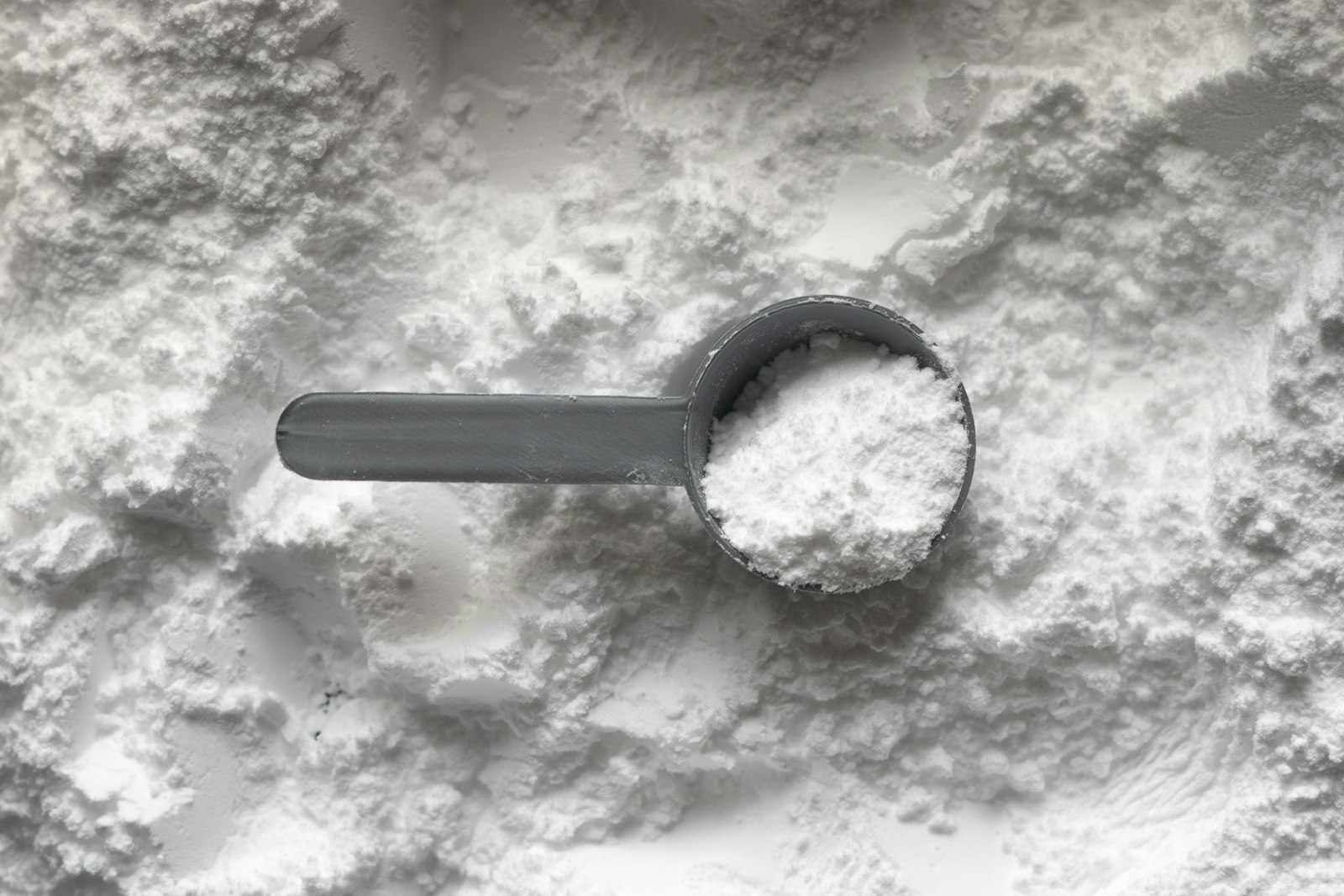
Glycine is the quiet one in the sleep-supplement conversation. Magnesium gets the marketing budget, melatonin gets the headlines, and glycine shows up in a handful of small Japanese studies that most people have never read. That's a shame, because the mechanism behind it is one of the more interesting ones in sleep science, and the human trials — while limited — are more consistent than you'd expect for an amino acid this unglamorous.
Quick answer: Taking 3 grams of glycine about an hour before bed has been shown in several small clinical trials to reduce the time it takes to fall asleep, increase subjective sleep quality, and improve next-day alertness in people with mild sleep complaints. The proposed mechanism is a modest drop in core body temperature that helps trigger the body's natural sleep onset process. The evidence is real but thin — mostly one Japanese research group, mostly small sample sizes. It's a reasonable, low-risk thing to try, not a guaranteed fix.
What Is Glycine?
Glycine is the simplest of the 20 amino acids that make up proteins — just a single hydrogen atom attached to the central carbon, instead of the larger side chains found in other amino acids. It's non-essential, meaning your body synthesizes it on its own, mostly from serine, and you also get it from dietary protein, especially collagen-rich foods like bone broth, gelatin, and skin-on meat.
Beyond its role as a protein building block, glycine acts as an inhibitory neurotransmitter in the spinal cord and brainstem, and it's a co-agonist at NMDA receptors in the brain. That dual role — calming in some circuits, modulating in others — is part of why researchers got curious about its effects on sleep in the first place.
The sleep angle specifically centers on thermoregulation. Core body temperature naturally drops in the evening as part of the circadian signal that initiates sleep, and glycine appears to accelerate that drop slightly by increasing blood flow to the skin's surface (specifically the hands and feet), helping the body dump heat faster. A lower core temperature is one of the triggers your brain uses to transition into sleep.
The Research: What Science Actually Says About Glycine and Sleep
Sleep Onset and Subjective Sleep Quality
The core evidence comes from a small cluster of trials run largely by Yasuhiro Kawasaki's and Makoto Bannai's research groups in Japan, starting in the mid-2000s. In a 2007 crossover study published in Sleep and Biological Rhythms, participants with self-reported poor sleep took 3g of glycine or placebo before bed. The glycine group reported falling asleep faster, experiencing less fatigue the next morning, and rating their sleep quality higher — despite no major change in total sleep time recorded by actigraphy.
A related 2012 study in the Journal of Pharmacological Sciences used polysomnography (overnight sleep lab monitoring, the gold standard for objective sleep staging) in sleep-restricted volunteers. Glycine shortened the time to reach slow-wave sleep and reduced time spent in lighter sleep stages during the first sleep cycle, which lines up with people's subjective sense of falling asleep "deeper" faster.
Evidence strength: Moderate. The mechanism is plausible and the handful of trials point the same direction, but the total number of published RCTs is small, sample sizes run 8-20 people per study, and nearly all of the research comes from a few overlapping Japanese research teams rather than being independently replicated at scale. Examine.com's glycine page rates the sleep-quality evidence similarly — promising but not definitive.
Next-Day Cognitive Performance
A secondary but consistent finding across these trials: participants who took glycine before a shortened sleep window performed better the next day on tests of psychomotor vigilance and subjective fatigue than those who took placebo under the same sleep restriction. This matters because it suggests glycine isn't just making people feel like they slept better — it's producing a measurable downstream benefit, which is a reasonable proxy for sleep that's actually doing its job.
Evidence strength: Preliminary. Promising signal, but it's drawn from the same small pool of studies, not independently confirmed by outside labs.
Core Body Temperature and Thermoregulation
Research using skin temperature sensors found that glycine supplementation increased distal skin blood flow (hands and feet) and produced a measurably faster drop in core body temperature after lights-out compared to placebo — which is the proposed mechanism for everything above. This part of the evidence is more mechanistic than outcome-based, but it's one of the more plausible, well-characterized explanations in the sleep-supplement space, unlike a lot of "it balances your hormones" marketing claims you'll see elsewhere.
Evidence strength: Moderate. Solid physiological plausibility; fewer studies directly link the temperature effect to sleep outcomes in the same cohort.
Benefits Summary Table
| Benefit | Evidence Strength | Typical Dose | Key Study |
|---|---|---|---|
| Faster sleep onset | Moderate | 3g, ~1 hour before bed | Kawasaki et al., 2007, Sleep Biol Rhythms |
| Improved subjective sleep quality | Moderate | 3g before bed | Yamadera et al., 2007 |
| Deeper early-cycle sleep (polysomnography) | Moderate | 3g before bed | Bannai et al., 2012, J Pharmacol Sci |
| Next-day alertness after sleep restriction | Preliminary | 3g before bed | Bannai & Kawai, 2012 review |
| Faster core temperature decline | Moderate | 3g before bed | Kawai et al. |
Dosing Guide
- Clinically studied dose: 3 grams, taken approximately 30-60 minutes before bed. This is the dose used across nearly all the human sleep trials.
- Common supplement doses: Powdered glycine products typically come in single-gram scoops, making it easy to hit 3g; capsule versions often require taking 3-4 capsules to reach the same dose, so check the label math before assuming a "serving" gets you there.
- Timing: Take it on an empty-ish stomach shortly before you intend to sleep, not with a full dinner — there's no direct evidence that food timing changes efficacy, but the trials consistently dosed it close to bedtime, so that's the protocol worth replicating.
- Loading protocols: None. Glycine isn't like creatine — there's no loading phase. It appears to work (or not) the night you take it.
- Upper limits: Formal upper limit research is limited, but doses up to 9g/day have been used in unrelated clinical contexts (including some schizophrenia trials) without serious safety signals. For sleep purposes, there's no evidence that more than 3g produces additional benefit.
Side Effects and Safety
- At the standard 3g sleep dose: Side effects are rare and mild. Some people report mild GI upset (loose stools, nausea) if taken on an empty stomach.
- At higher doses (6-9g+): Occasional soft stools or stomach discomfort; no serious safety signals reported in the literature at these levels.
- Contraindications: There isn't strong evidence of specific contraindications for healthy adults, but anyone on medications that affect NMDA receptor activity or glutamatergic signaling should check with a prescriber before adding glycine, given its role as an NMDA co-agonist.
- Who should avoid it: People with known glycine metabolism disorders (such as non-ketotic hyperglycinemia, a rare genetic condition) should not supplement with glycine.
- Pregnancy and nursing: Glycine is a normal dietary amino acid found in food protein, but dedicated safety trials of supplemental glycine during pregnancy and nursing don't exist. Talk to your OB or midwife before adding any supplement in this category.
Drug Interactions
Formal interaction studies are sparse, which cuts both ways — it's not flagged as dangerous, but it also hasn't been rigorously tested alongside common medication classes. Worth flagging specifically:
- Clozapine (antipsychotic): Some early research explored glycine as an add-on therapy for schizophrenia at much higher doses; this suggests at minimum a plausible interaction with drugs acting on glutamatergic/NMDA pathways. If you're on an antipsychotic, check with your prescriber first.
- Sedatives and sleep medications: No documented dangerous interaction, but combining any sleep aid with prescription sedatives, benzodiazepines, or alcohol increases general sedation risk and isn't something to experiment with casually.
- Blood pressure medications: No established interaction, but glycine's effect on peripheral blood flow (the mechanism behind the temperature drop) is a theoretical reason to be cautious if you're on vasodilators — this hasn't been studied directly.
Forms and Bioavailability
Glycine supplements are almost always sold as a simple, unflavored powder (L-glycine), and that's genuinely the most practical form — it's inexpensive, dissolves easily in water, and has a mildly sweet taste that most people don't mind. There's no "enhanced absorption" version with meaningfully different bioavailability; glycine is a small, simple molecule that's absorbed efficiently as-is.
You'll also find glycine listed as a component of collagen and gelatin supplements, and naturally in bone broth, skin-on poultry, and other collagen-rich foods. Food-based glycine contributes to total intake, but getting a precise 3g dose from diet alone around bedtime is impractical — supplementing the isolated amino acid is the more reliable route if you're trying to replicate the research protocol.
Should You Pair Glycine With a Sleep Stack?
Glycine works through a different mechanism than most sleep supplements, which means it stacks reasonably well with other evidence-backed options rather than competing with them. Magnesium — particularly the glycinate or L-threonate forms — works more on GABAergic calming and muscle relaxation. L-theanine promotes a calmer, alert-but-relaxed mental state. Apigenin has preliminary anxiolytic research behind it.
Momentous Sleep ($54.95, NSF Certified for Sport) is worth mentioning here, though it's important to be precise about what it actually contains: 400mg magnesium L-threonate, 50mg apigenin, and 200mg L-theanine per serving — it does not contain glycine. If you're specifically trying to replicate the glycine research, you'd need a standalone L-glycine powder on top of (or instead of) a formula like this. Where a product like Momentous Sleep is useful is as a complementary stack: its third-party testing credentials and clinically-dosed actives make it one of the more transparent formulated sleep products on the market, and nothing stops you from adding 3g of plain glycine powder alongside it. For the full rundown on how it performs on its own, see our Momentous Sleep review.
If you're building a broader plan rather than looking at one ingredient at a time, our complete guide to fixing your sleep and sleep optimization protocol cover the environmental and behavioral levers that tend to matter more than any single supplement.
Who Should Consider Glycine — and Who Can Skip It
Glycine is most worth trying if you fall into one of a few categories: people who take a long time to fall asleep but don't necessarily struggle to stay asleep once they're under, people who already have a reasonably solid sleep routine but want to shave the last 15-20 minutes off sleep onset, and people who want a non-sedating option that doesn't carry the next-morning grogginess some people report with melatonin or antihistamine-based sleep aids.
It's less likely to move the needle for people whose sleep problems are driven by something glycine's mechanism doesn't touch — stress and racing thoughts at bedtime, sleep apnea, restless leg syndrome, or a sleep schedule that's simply inconsistent night to night. In those cases, the core body temperature nudge glycine provides is unlikely to outweigh the underlying issue, and you're better off addressing that directly before layering on a supplement.
It's also worth being honest about expectations. The studies showing benefit used subjective ratings and modest objective measures — this is a "sleep somewhat better" compound, not a "cures insomnia" compound. If you've tried magnesium, consistent sleep-wake timing, and reducing evening light exposure without success, glycine is a reasonable next thing to test, not a first-line fix.
The Bottom Line
Glycine isn't a miracle sleep aid, but it's one of the more mechanistically sound, low-risk options in the amino-acid-for-sleep category. The research is consistent in direction — faster sleep onset, better subjective quality, improved next-day alertness — even though the total body of evidence is still small and concentrated among a handful of research groups. At 3g, roughly an hour before bed, it's cheap, safe for most healthy adults, and reasonable to try for two to four weeks to see if it moves the needle for you.
FAQ
Does glycine make you tired, or does it help you fall asleep faster without sedation? It's not sedating in the way a sleep medication is. The research suggests it works by nudging your core body temperature down slightly, which supports your body's own sleep-onset process rather than forcing drowsiness directly.
Can I take glycine every night, or does it need to be cycled? The studies that showed benefit used consistent nightly dosing over periods of days to weeks, with no evidence of tolerance building up. There's no established need to cycle it.
How long before bed should I take glycine? Most of the clinical research dosed it roughly 30-60 minutes before intended sleep time.
Is glycine the same as collagen or gelatin supplements? No. Collagen and gelatin contain glycine as one of several amino acids, but at much lower concentrated doses per serving than a dedicated 3g glycine powder, and they come bundled with other amino acids that don't have the same sleep research behind them.
Will glycine show up on a blood test or interact with diabetes medication? Glycine can have a mild effect on insulin sensitivity in some studies, though this isn't well characterized at sleep-related doses. If you have diabetes or are on glucose-lowering medication, mention any new supplement to your care team.
Is powder or capsule better for glycine? Powder is generally more practical and cost-effective for hitting the 3g research dose in one scoop; capsules work fine but usually require taking several at once to match that amount.
Does glycine help with sleep apnea or restless leg syndrome? No. The research on glycine's sleep benefits was conducted in people with general, mild sleep complaints — not diagnosed sleep disorders like apnea or RLS. Those conditions involve different underlying mechanisms (airway obstruction, dopamine signaling) that a thermoregulatory amino acid isn't positioned to address. If you suspect either condition, that's a conversation for a sleep physician, not a supplement swap.
What's a reasonable trial period to know if glycine is working for me? Give it two to four weeks of consistent nightly use before deciding. The clinical trials that found benefit used repeated nightly dosing rather than single-night testing, and sleep quality naturally fluctuates night to night regardless of what you take — a few nights isn't enough data to judge.
Should I track anything while testing it? A simple sleep diary noting roughly how long it took to fall asleep and how rested you felt the next morning is enough to spot a trend — you don't need a sleep tracker ring or wearable to evaluate whether a cheap amino acid is working for you, though if you already use one, it can add objective data on top of your own subjective impression.
Prices shown may vary. Links may be affiliate links.