 FREAK
FREAK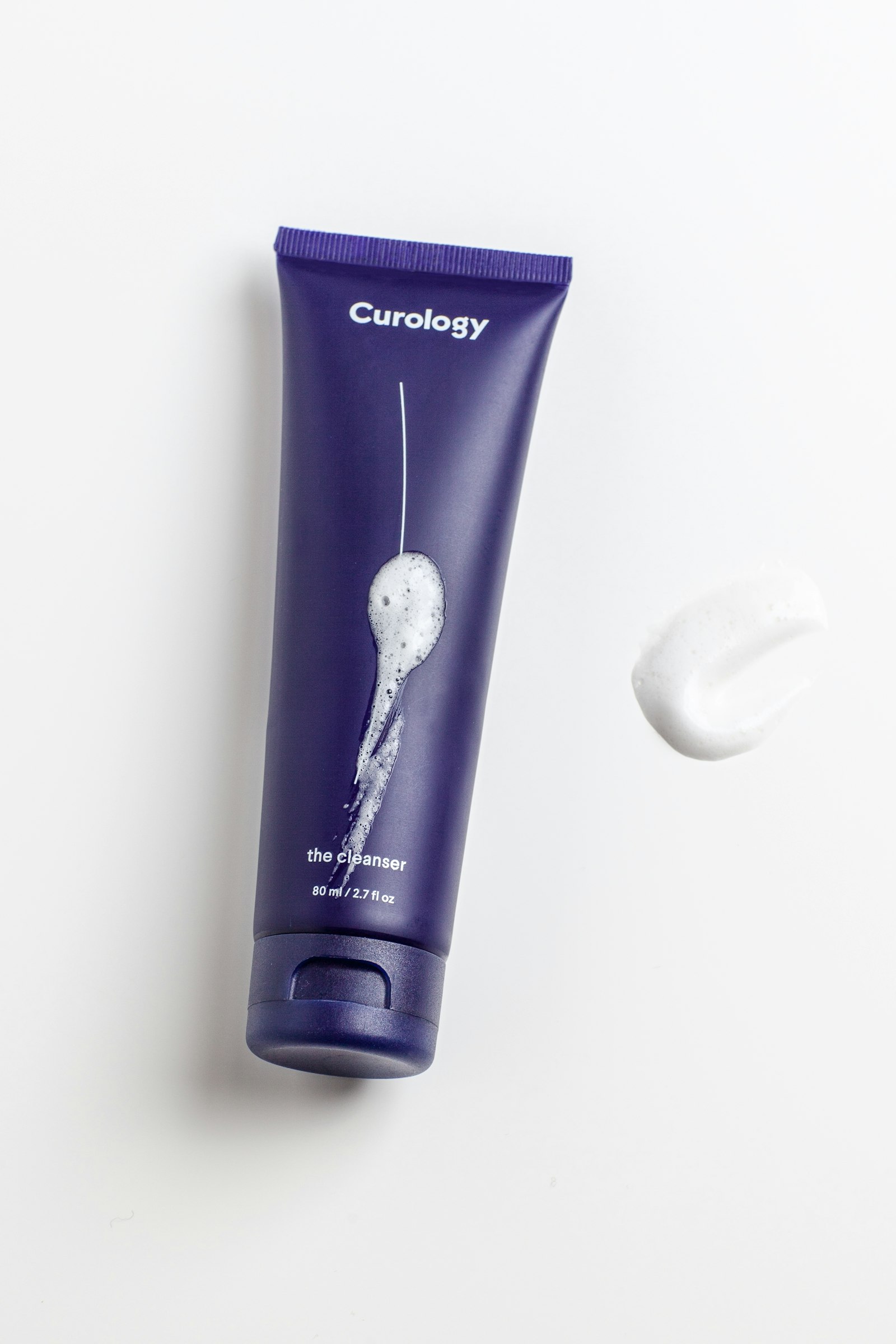
The Short Answer
An effective skincare routine for men comes down to four things: cleanser, moisturizer, SPF, and eventually a retinoid. That's it. Most men can build a foundation that dermatologists would actually approve of for under $80, with products that require about 3 minutes in the morning and 2 minutes at night.
The 10-step Korean skincare routine is not required. Serums with 40 ingredients are not required. What's required: cleaning your face, moisturizing it, protecting it from the sun, and — once you're ready — adding the one active ingredient with decades of clinical evidence behind it.
Why Most Men Have Terrible Skincare Routines
The problem isn't motivation — it's misinformation combined with analysis paralysis. Walk into any skincare aisle and you'll find hundreds of products marketed as essential. They aren't.
Men's skin is physiologically different from women's: it's thicker (about 25% more collagen), oilier (higher sebum production), and subjected to repeated shaving trauma. This doesn't mean men need a completely different product line. It means men need products that don't clog pores, can handle oilier skin types, and can soothe shave irritation.
The other issue: a lot of men don't start any routine until they notice something going wrong — acne at 30, sun damage at 35, or deep lines at 40. Starting earlier matters. The same evidence-based routine that treats existing problems also prevents future ones.
The Foundation: What Every Man Needs
Morning Routine (3 minutes)
- Cleanser — Splash with water or use a gentle face wash
- Moisturizer — Always
- SPF — Non-negotiable
Evening Routine (2–3 minutes)
- Cleanser — Wash the day off
- Active (retinol) — Once you've added this; 2–3 nights per week initially
- Moisturizer — Always
That's it. This isn't Instagram skincare — it's what dermatologists actually recommend.
Step-by-Step Breakdown
Step 1: Cleanser
What to do: Use a gentle, non-stripping face wash twice daily. Harsh soaps disrupt your skin's moisture barrier, leaving you more susceptible to dryness, irritation, and breakouts.
Why it works: Cleansing removes accumulated oil, bacteria, dead skin cells, environmental pollutants, and sunscreen from the previous day. The key word is "gentle" — you don't need to feel the burn. A compromised skin barrier is more reactive, not cleaner.
Common mistakes: Using bar soap (almost always too alkaline for facial skin), washing with hot water (strips barrier lipids), or scrubbing aggressively. Lukewarm water, gentle pressure, rinse thoroughly.
Product pick: CeraVe Hydrating Cleanser or CeraVe Foaming Cleanser — $12-15 at any drugstore. Foaming for oily/combination skin, hydrating for normal/dry.
Step 2: Moisturizer
What to do: Apply moisturizer to damp skin immediately after washing — within 60 seconds while your skin is still slightly wet. This traps water in the skin (humectant effect). Use enough to cover your entire face and neck without feeling greasy.
Why it works: Moisturizers work through three mechanisms: humectants (like hyaluronic acid) draw water into the skin, occlusives (like dimethicone) create a barrier that slows water loss, and emollients (like ceramides) fill in gaps in the skin barrier to improve texture and protection.
CeraVe's formulations focus on ceramides — lipids that make up approximately 50% of the skin barrier. Research shows that people with impaired skin barriers have reduced ceramide levels, and that topical ceramide-containing products measurably improve barrier function.
Common mistakes: Skipping moisturizer because your skin is "oily." Oily skin still benefits from moisturizer — in fact, dehydrated skin often overproduces oil as a compensatory response. Lightweight, non-comedogenic formulas (like CeraVe) won't clog pores.
Why we recommend CeraVe Moisturizing Cream:
CeraVe is developed in collaboration with dermatologists and contains three essential ceramides (1, 3, 6-II) plus hyaluronic acid, delivered via MVE (MultiVesicular Emulsion) technology that releases these ingredients over time. Fragrance-free, non-comedogenic, and non-irritating.
Buy on Amazon: $16.99 — CeraVe Moisturizing Cream
Step 3: SPF (Morning Only)
What to do: Apply SPF 30 or higher every morning as the final step. Yes, even in winter. Yes, even on cloudy days. Yes, even if you work indoors.
Why it works: UV radiation is the primary driver of premature skin aging — responsible for an estimated 80% of visible facial aging. UVA rays (the ones that cause aging and pigmentation) penetrate clouds and glass. The sun you get driving to work, walking to lunch, and sitting near a window adds up over years into measurable skin damage.
A year of consistent daily SPF prevents more skin aging than virtually any serum or treatment you can buy. This is not marketing — it's established dermatological consensus and documented in long-term controlled trials.
SPF 30 vs SPF 50: SPF 30 blocks ~97% of UVB rays; SPF 50 blocks ~98%. The difference is small, but SPF 50 provides more margin for imperfect application (most people apply 25–50% of the recommended amount).
Common mistakes: Skipping SPF because you don't "burn easily." UVA-driven aging happens regardless of burning. Using yesterday's SPF without reapplying (protection degrades). Stopping at the jawline and ignoring the neck.
Why we recommend EltaMD UV Clear SPF 46:
EltaMD UV Clear is the go-to among dermatologists for a reason. The active ingredient is 9% zinc oxide — a physical UV filter that sits on top of skin and scatters UV rays rather than converting them chemically. It's oil-free, leaves no white cast (the zinc particle size is optimized for transparency), and includes niacinamide (calms inflammation, reduces redness) and hyaluronic acid.
It's particularly good for acne-prone skin because it doesn't clog pores and niacinamide actively helps regulate sebum production.
Buy on Amazon: $39.00 — EltaMD UV Clear SPF 46
Step 4: Retinol (Evening, 2-3x/Week)
What to do: Once you've been consistent with steps 1–3 for 4+ weeks, add a retinol product. Apply to clean, dry skin at night, twice a week, using a pea-sized amount across the entire face. Avoid the eye area.
Why it works: Retinol is a vitamin A derivative that's been rigorously studied for 40+ years. It works by accelerating cellular turnover, stimulating collagen synthesis, and regulating skin cell differentiation. The result: reduced wrinkle depth, improved skin texture, faded hyperpigmentation, and reduced acne.
The evidence base is exceptional. Multiple randomized controlled trials show significant wrinkle reduction with retinol concentrations of 0.1–1% over 12–48 weeks. This is not a trendy ingredient — it's the most clinically validated topical anti-aging compound available without a prescription.
Common mistakes at this step:
- Starting at too high a concentration (1%) immediately, causing significant peeling and abandoning the product
- Using retinol every night in week 1 (same result)
- Using in the morning (retinol is photolabile and increases sun sensitivity — morning use defeats both purposes)
- Skipping SPF the next morning (this is where real damage happens)
Rollout schedule:
- Weeks 1–4: Twice per week, after moisturizer if sensitive ("sandwich method")
- Weeks 5–8: Three times per week if tolerating well
- Month 3+: Build to 4–5 times per week or nightly as tolerance increases
Why we recommend The Ordinary Retinol 0.5% in Squalane:
The Ordinary delivers an effective 0.5% retinol concentration in a squalane base for $7.80. Squalane is chemically similar to your skin's natural sebum, making it an ideal delivery vehicle — it enhances penetration while also providing moisturization and barrier support.
Packaging is opaque (retinol degrades in light). There are no unnecessary additives. This is a no-frills, high-efficacy product at a price point that makes it one of the best value propositions in all of skincare.
If you have sensitive skin or want to start even lower, the Geologie Retinol Night Serum ($45) starts at 0.3% and includes niacinamide to buffer irritation — a kinder entry point.
Buy on Amazon: $7.80 — The Ordinary Retinol 0.5% in Squalane
Prices shown may vary. Links may be affiliate links.
The Shaving Factor
Men who shave regularly deal with a specific skin challenge that women's skincare routines don't address: repeated blade trauma. Shaving removes the top layer of skin cells along with the hair — which means it's a mild form of exfoliation — and can cause irritation, razor burn, ingrown hairs, and micro-cuts that compromise the barrier.
What actually helps:
- Shave on wet skin. A 2-3 minute warm shower before shaving softens the hair shaft significantly, reducing drag and trauma. Dry shaving is the main cause of razor burn.
- Use a sharp blade. A dull blade requires more pressure and more passes. A single-blade safety razor with a sharp blade causes less total irritation than a 5-blade cartridge that recapitulates the same passes.
- Shave with the grain first. Against-the-grain shaves get closer but cause more irritation — learn your face's hair growth patterns.
- Apply moisturizer immediately post-shave. The skin barrier is temporarily disrupted. CeraVe's ceramide complex helps restore it quickly.
- Skip alcohol-based aftershaves. They sting satisfyingly and strip your skin barrier. Use a calming, fragrance-free toner or just go straight to moisturizer.
Common Mistakes Men Make
1. Treating all skin as one type
Combination skin — oily T-zone, drier cheeks — is common. Using the same heavy cream everywhere, or using the same lightweight gel everywhere, leads to suboptimal results. Adjust product thickness to match the needs of different zones.
2. Not wearing SPF because they don't burn
UVA radiation (which causes aging and hyperpigmentation) doesn't cause sunburn. You can be destroying collagen every day without ever seeing a tan line. The damage accumulates over years and shows up as wrinkles, dark spots, and uneven texture in your 40s.
3. Using too many actives at once
Retinol, glycolic acid, vitamin C, and salicylic acid all work. But stacking them simultaneously causes irritation that makes you abandon all of them. Introduce one active at a time. Give it 8 weeks before adding anything else.
4. Giving up before seeing results
Retinol takes 12–24 weeks to show meaningful changes in wrinkle depth. SPF benefits accumulate over months and years. Most men try something for 2 weeks, see no dramatic change, and quit. Skincare is a long game.
5. Ignoring the neck
Your face ends at your collar. Moisturizer, SPF, and eventually retinol should go on the neck and chest too — these areas age noticeably and rarely get attention until the damage is done.
The Science
Ceramides and skin barrier function: A 2018 study in Journal of Dermatological Science confirmed that ceramide-containing moisturizers significantly improve skin barrier function measured by trans-epidermal water loss (TEWL). CeraVe's ceramide complex is one of the most validated OTC formulations in the dermatology literature.
Zinc oxide sunscreens: Broad-spectrum zinc oxide provides excellent UVA protection — an area where many chemical sunscreens fall short. A 2020 review in Photodermatology, Photoimmunology & Photochemistry confirmed zinc oxide's superior UVA coverage compared to organic filters alone.
Retinol for photoaging: A landmark randomized trial by Kligman et al. in the Archives of Dermatology (1986) established tretinoin's efficacy for photoaged skin. Subsequent research confirmed lower concentrations of OTC retinol (0.1–1%) produce meaningful but slower benefits through the same mechanism. Pandel et al. (2013) demonstrated retinol's ability to stimulate procollagen synthesis in aged skin at concentrations as low as 0.4%.
Related Products
| Product | Price | Best For |
|---|---|---|
| CeraVe Moisturizing Cream | $16.99 | Daily moisturization, barrier support |
| EltaMD UV Clear SPF 46 | $39.00 | Daily sun protection, acne-prone skin |
| The Ordinary Retinol 0.5% | $7.80 | Anti-aging, texture improvement (experienced users) |
| Geologie Retinol Night Serum | $45.00 | Anti-aging for retinol beginners |
Related: CeraVe Moisturizing Cream Review | Retinol Complete Guide | How to Use Retinol Without Irritation | Best Eye Creams 2026
The Bottom Line
A four-product routine — cleanser, CeraVe Moisturizing Cream, EltaMD UV Clear SPF 46, and The Ordinary Retinol 0.5% — is clinically sound, dermatologist-endorsed, and costs less than $75 total. You don't need more than this. Add products only when you have a specific problem (acne, hyperpigmentation, texture) and a specific evidence-backed product to address it.
Start with the moisturizer and SPF. Be consistent for 4 weeks. Then add retinol, slowly. Give everything at least 12 weeks before evaluating.
Frequently Asked Questions
Do I really need sunscreen every day?
Yes. UV radiation from the sun is the primary cause of premature skin aging, and it's happening even on overcast days and when you're driving in your car. Daily SPF application is the single highest-ROI skincare habit you can develop.
What order do I apply products?
Thinnest to thickest in the morning: cleanser → any water-based serums → moisturizer → SPF (always last). At night: cleanser → retinol → moisturizer.
Can I use the same moisturizer morning and night?
Yes. CeraVe Moisturizing Cream is appropriate for both AM and PM. Some people prefer a lighter moisturizer in the morning under SPF and a richer one at night — but this is a preference issue, not a requirement.
When should I add retinol?
After your skin is consistently comfortable with cleanser and moisturizer — typically 4 weeks in. If your skin is currently dealing with active irritation, breakouts, or sunburn, stabilize first. Retinol can exacerbate compromised skin conditions.
Is there any difference between "men's" and regular skincare products?
Mostly marketing. Some men's products are formulated lighter to account for oilier skin, which is a legitimate consideration. But the basic actives — ceramides, retinol, zinc oxide — work the same regardless of gender. "For men" labeling is mostly packaging, not formulation.